Class Description
This class is full, but you can still register for the waitlist on Learning Stream
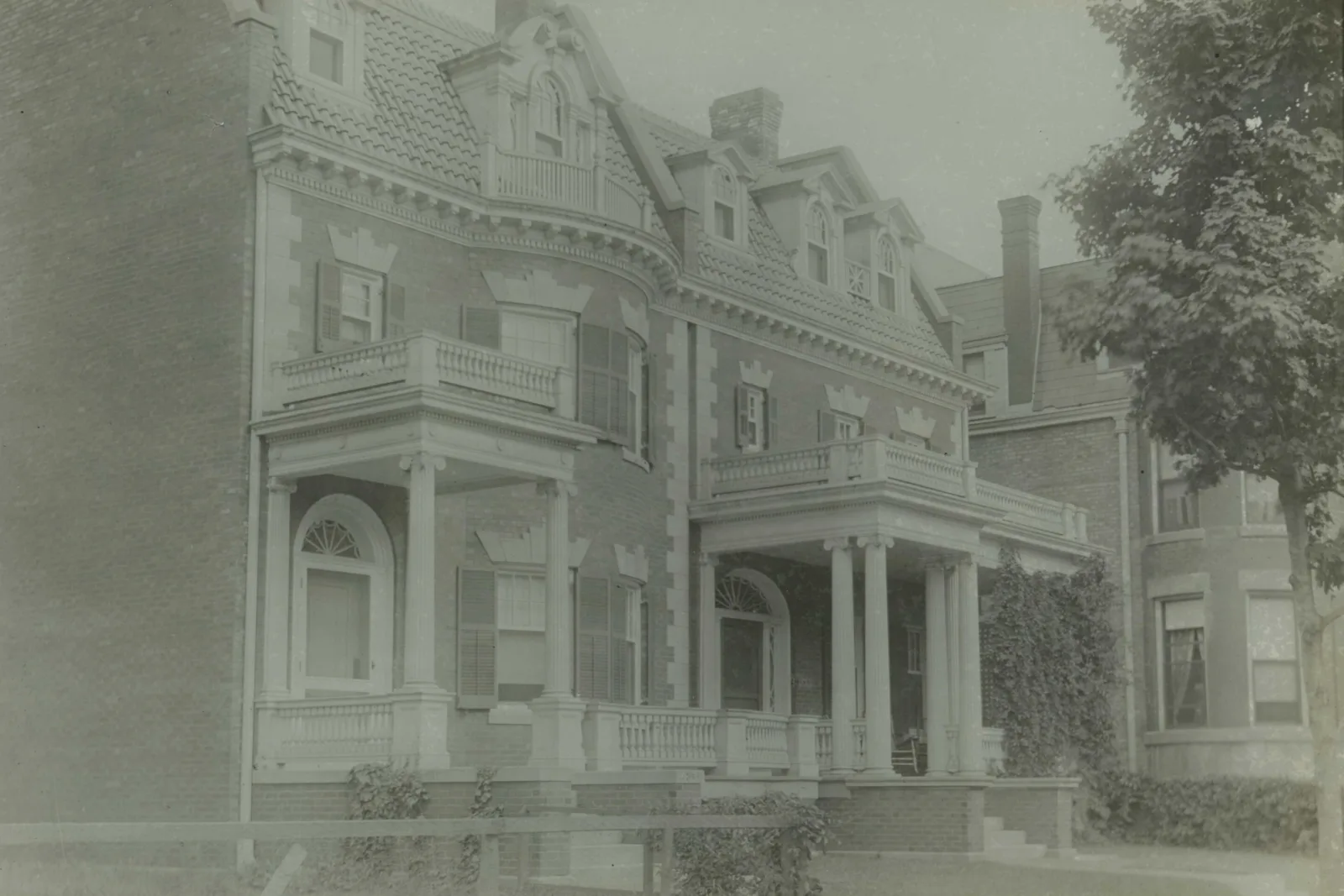
The shapes and materials of buildings provide the foundation for residential life. This class focuses on different styles of housing in Chicago across 150 years and their impacts on culture and inequality. We start by looking at how Chicago went from being a city of wood to a city of brick after the Great Chicago Fire. Then, we study how the introduction of Chicago’s famous bungalows coincided with the increase in kitchenette apartments during the Great Migration. We next study how public housing once housed 200,000 people prior to the "Plan for Transformation." Last, we reflect on the condition of residential buildings in Chicago today. To study these vast shifts in residential development and their impacts, we will rely on key historical and cultural texts like the Sanborn fire insurance maps, literature like Lorraine Hansberry's Raisin in the Sun, oral histories from public housing residents, and present-day art projects.
Maura Fennelly recently received her PhD in Sociology from Northwestern University. She studies how property impacts people's relationships with institutions and their neighbors. Her dissertation focused on homeowners' associations. She previously was the Chicago Research Director for the Chicago Covenants Project and has taught courses on housing.
What to Expect
Format: In Person
Class Capacity: 20
Class Style: Mix of lecture and discussion; participation encouraged
Materials List
Required
- Audrey Petty, ed, High Rise Stories: Voices from Chicago Public Housing. Haymarket Books, 2021. ISBN: 9781642595376
- Digital Course Packet
- Chapter 4 of William Cronin’s Nature’s Metropolis: “The Wealth of Nature: Lumber”
- Robert Weaver’s “Hemmed In: The ABC’s of Race Restrictive Covenants” (pamphlet)
- Ben Austen’s “The Towers Came Down, and With Them the Promise of Public Housing” in NYT Magazine
Recommended
- Lorraine Hansberry, A Raisin in the Sun. Vintage, 2004. ISBN: 9780679755333
First Assignment
- Read Chapter 4 of William Cronin’s Nature’s Metropolis: “The Wealth of Nature: Lumber”
- Read Chicago Architecture Center’s blog on the Chicago Bungalow (and peruse other housing types on their website and bring any thoughts to class!)
A Brief Syllabus
- From a City of Wood to a City of Brick
- Boundary-Making: The Spread of Racially Restrictive Covenants
- High-Rise Public Housing ---> Plan for Transformation
- Residential Landscapes Today
Cost and Registration
4 Sessions, $220 ($198 for Newberry members, seniors, and students). Learn about becoming a member.
We offer our classes at three different price options: Regular ($220), Community Supported ($205), and Sponsor ($235).Following the models of other institutions, we want to ensure that our classes are accessible to a wider audience while continuing to support our instructors. You may choose the price that best fits your situation when registering through Learning Stream.
To register multiple people for this class, please go through the course calendar in Learning Stream, our registration platform. When you select the course and register, you’ll be prompted to add another registrant.
Having trouble signing up? Take a look at our step-by-step guide to registration by clicking here.
Register for WaitlistThe views and opinions expressed in this class and/or by the instructor are not necessarily representative of the Newberry. We aim to ensure that in our classes, participants can have respectful disagreement to foster critical thinking. This is a space to challenge and expand our own worldviews to work towards better understanding and appreciating humanity.
Support the Newberry
Your generosity is vital in keeping the library’s programs, exhibitions, and reading rooms free and accessible to everyone.
Make a GiftQuestions?
Call us at (312) 255-3700 or send us an email at adulteducation@newberry.org.
We are in office Tuesday through Thursday, 10 am–6 pm CT.
We are available by email Tuesday through Saturday.