Description
Britain's Slavery Abolition Act (1833) ended slavery, instituted apprenticeship for the formerly enslaved, and compensated enslavers with £20 million for the 800,000 people whom they claimed ownership over across the British empire. This presentation examines metropolitan imperial society’s relationship to compensated Emancipation through British working-class and Radical dissent. In debates surrounding compensation, members of Britain’s working class and leading figures in the Radical movement expressed outrage over compensated Emancipation. This outrage was markedly different from upper and middle-class commitments to the sanctity of property as well as from abolitionist commitments to Emancipation by any means necessary. In the critique of compensated Emancipation that emerged, Britain’s white working-class defined itself as ‘fellow slaves’ still awaiting emancipation but now with intensified suffering, forced to pay slaveholders for Black freedom through taxes. As I argue, metropolitan working-class opposition to compensation reveals a critical moment in the production of metropolitan working-class whiteness in the context of slavery abolition.
About the Speaker
Zach Sell is assistant professor in the history of slavery in the Department of Africana Studies at the University of Notre Dame. He is the author of the book Trouble of the World: Slavery and Empire in the Age of Capital which received the Paul E. Lovejoy Prize for excellence and originality in a major work on any theme related to global slavery from the Journal of Global Slavery. He was previously Ruth J. Simmons postdoctoral fellow at Brown University’s Center for the Study of Slavery and Justice.
About Colloquium
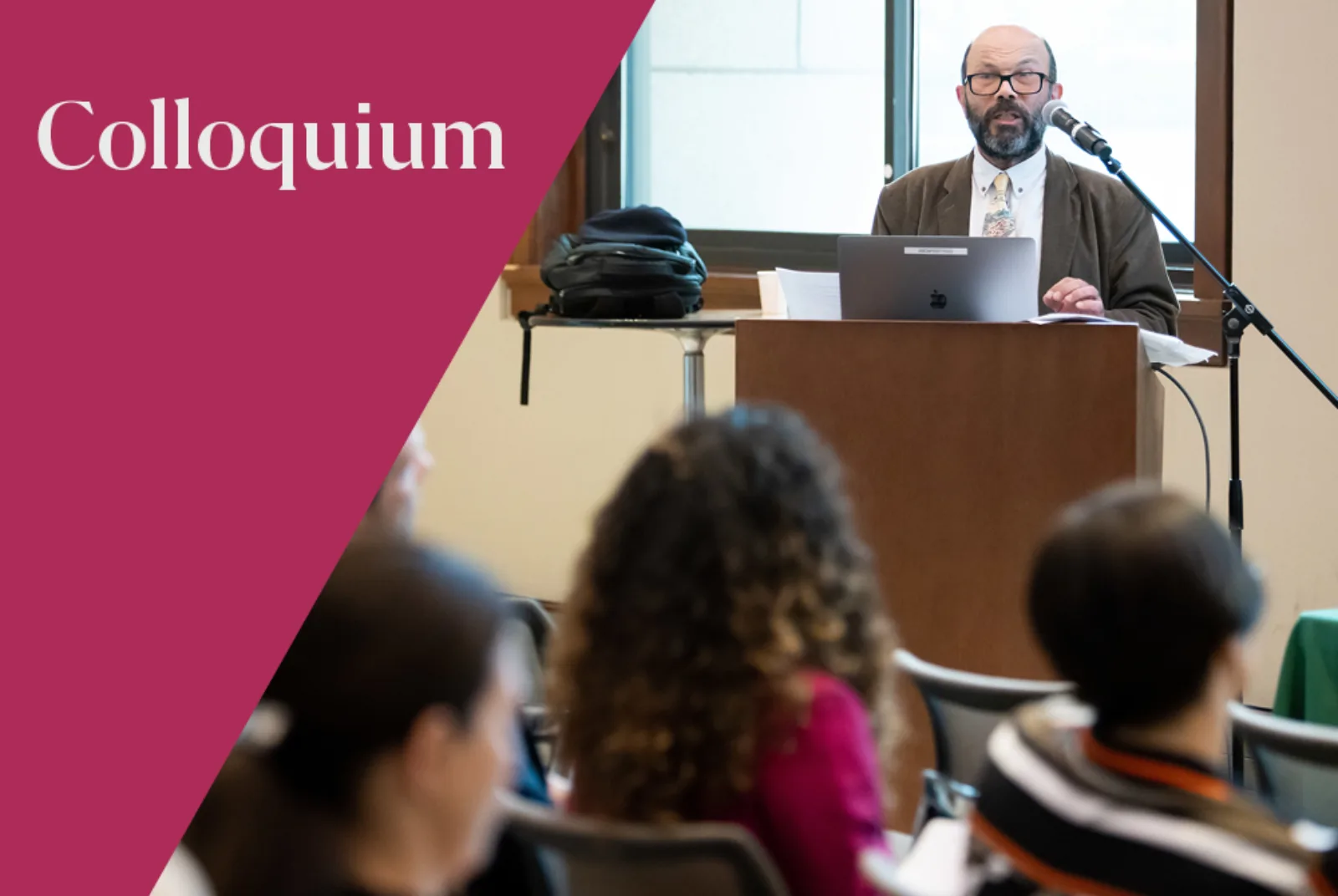
Colloquium is a weekly series of talks featuring staff, fellows, and scholars who are working with the library’s vast collections. These events bring together experts from various fields to share their research on a wide range of topics, followed by an opportunity for the audience to ask questions and engage in conversation.
Colloquium is open to the public and offers a chance to explore fascinating ideas and new discoveries. No advance registration is required.