Description
What does it look like to do trans studies in premodern archives? How might early modern trans studies be more archival? What tools would we need or might we make to help scholars locate archival sources that inform our thinking on premodern gender? While Early Modern Trans Studies has officially passed the point of “emergent,” the relationship between trans studies methods and the archive has not always felt intuitive.
At our “Trans Archives” workshop at the Newberry in 2025, we opened a wide-ranging conversation about what early modern trans studies archives might look like and how to overcome real and perceived barriers to this kind of work. At Early Modern Trans Archives 2.0, speakers will offer examples of trans archival methods, suggest new ways for trans studies to infiltrate archives like the Newberry, and model strategies for archival scholars to work with trans studies perspectives and research questions. A hands-on component will encourage participants to engage with the Newberry’s collection as well as nontraditional archives of trans studies that exist alongside and within it. We will close with a mentorship session where attendees can consult with Newberry librarians, scholars with archival experience, and scholars working in trans studies.
This program is co-sponsored by Carole Levin and the Folger Institute.
Schedule
Friday, November 13
1:00-1:30 pm Welcoming Remarks
1:30-3:00 pm Panel 1
Scott Larson (University of Michigan), "George Whitefield's Corpuses: Relics, Archives, and Animating Desire"
Greta LaFleur (Yale University), "TItle TBA"
Jacob Romm (Yale University), "Bibliometamorphosis: Editions and Transitions"
Elizabeth Tavares (University of Alabama), "In the Weeds: A Trans Method of Sartorial Labor"
3:00-3:15 pm Coffee Break
3:15-4:45 pm 4 Panel 2
Claire Bourne (Pennsylvania State University), "Milton's Library & Promiscuous Reading"
Spencer Grayson (University of Virginia), "'Sir sayd s/he': Trans Error and Emendation in Mary Wroth’s Urania (c. 1621)"
Nora Epstein (Newberry Library), "Unsophisticated & Not Ideal: "Ideal Copy" in the Age of Queer Bibliography"
Misha Teramura (University of Toronto), "'Like a Woman's Hand': Scribal Dysphoria"
Dinner for Speakers
Saturday, November 14
9:30-11:00 am Panel 3
Liza Blake (University of Toronto), "Do Souls Have Sex?"
Miles Grier (Queens College, CUNY), "Transing the Gender Analysis of Rice Production in Colonial South Carolina"
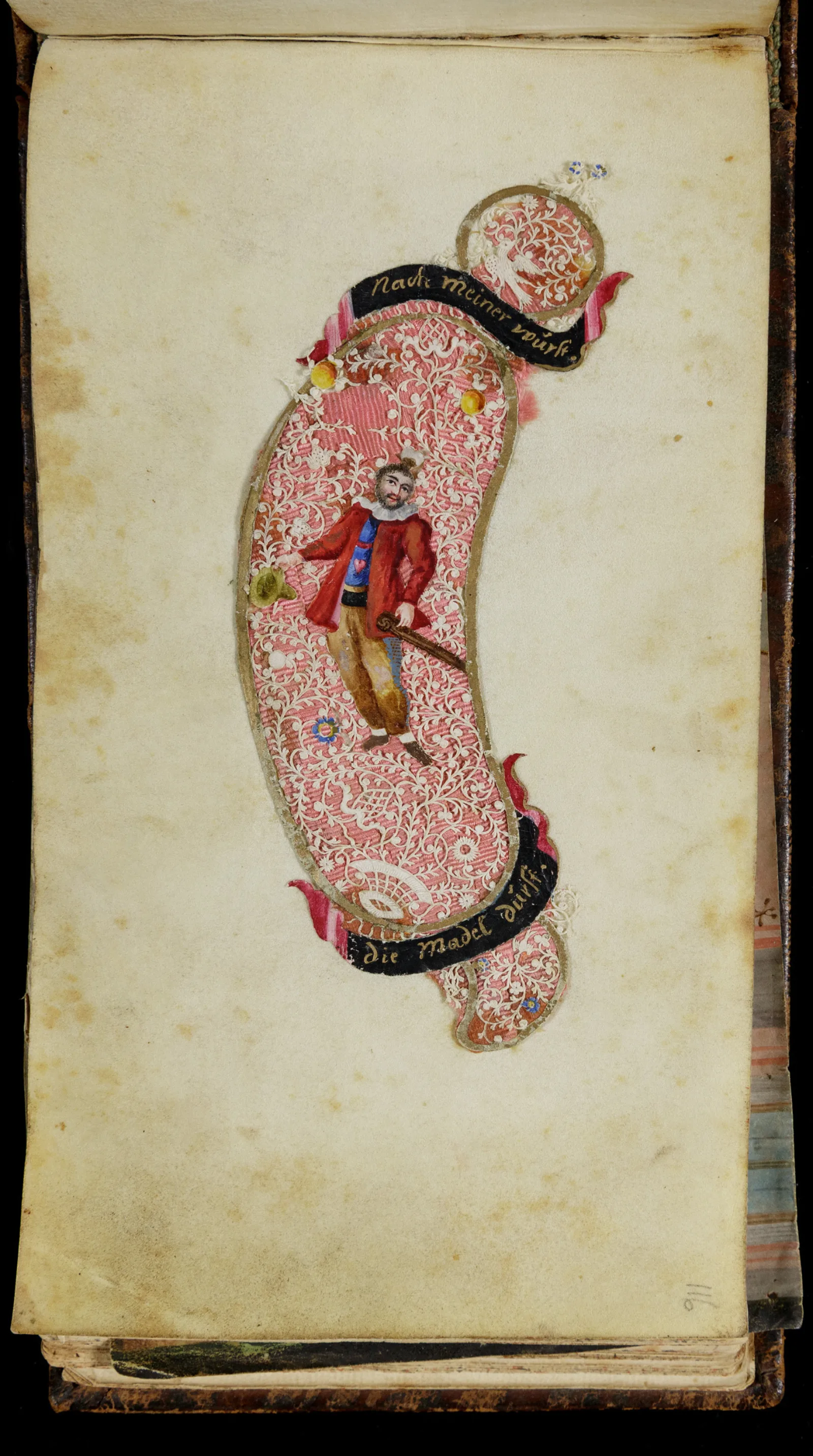
Suzanne Karr Schmidt (Newberry Library), "Sausage Fest"
Tess Wingard (University of Rochester), "The Trans Panic Defence in the Late Medieval Archive"
11:00-11:15 am Coffee Break
11:15 am-12:45 pm Panel 4
Beatrice Bradley (University of Minnesota), "Entergraft/Intergraft/Engraft"
Gary Cestaro (DePaul University), "Trans Selfhood in Dante"
Malachai Bandy (Pomona College), "Musical Theology of (Queer) Resurrection in Dieterich Buxtehude’s Membra Jesu nostri (1680)"
Jeffrey Masten (Northwestern University), "Transitory Speech Prefixes and Queer Editing"
12:45-1:15 pm Lunch
1:15-3:15 pm Collection Presentation and DIY Trans Archive
3:15-3:30 pm Coffee Break
3:30-4:30 Concluding Conversation
List of Speakers
Malachai Bandy (Pomona College)
Liza Blake (University of Toronto)
Claire M.L. Bourne (Penn State University)
Beatrice Bradley (University of Minnesota)
Gary Cestaro (DePaul University)
Nora Epstein (Newberry Library)
Spencer Grayson (University of Virginia)
Miles Grier (Queens College-CUNY)
Suzanne Karr Schmidt (Newberry Library)
Greta LaFleur (Yale University)
Scott Larson (University of Michigan)
Jeffrey Masten (Northwestern University)
Jacob Romm (Yale University)
Elizabeth Tavares (University of Alabama)
Misha Teramura (University of Toronto)
Tess Wingard (University of Rochester)
Registration Information
This event is free and open to the public, but space is limited, so registration in advance is required. To register, complete the registration form below.