Description
Through a focused study on El Paso, Texas, this work-in-progress places preventable mass infant death at the center of historical debates on violence, colonialism, and labor in the US-Mexico borderlands, arguing that shockingly high ethnic Mexican infant mortality in the early twentieth century served materially and symbolically as a tool of colonial elimination and settler control in the region. This development was connected to what I describe as a "maids not mothers” racial reproductive labor regime that formed in the early twentieth century border city designed both to reduce ethnic Mexican/Latina women's biological reproduction on U.S. soil and maximize their exploitation as care labor in "American" homes and healthcare. In this sense, distinct from the state of California which employed a compulsory eugenic sterilization law to disproportionately constrain the growth of the ethnic Mexican citizen population, among other racialized groups, the Texas playbook was primarily characterized by denial and disavowal, such as creating economic, political, and social conditions that insured mass infant death.
About the Speaker
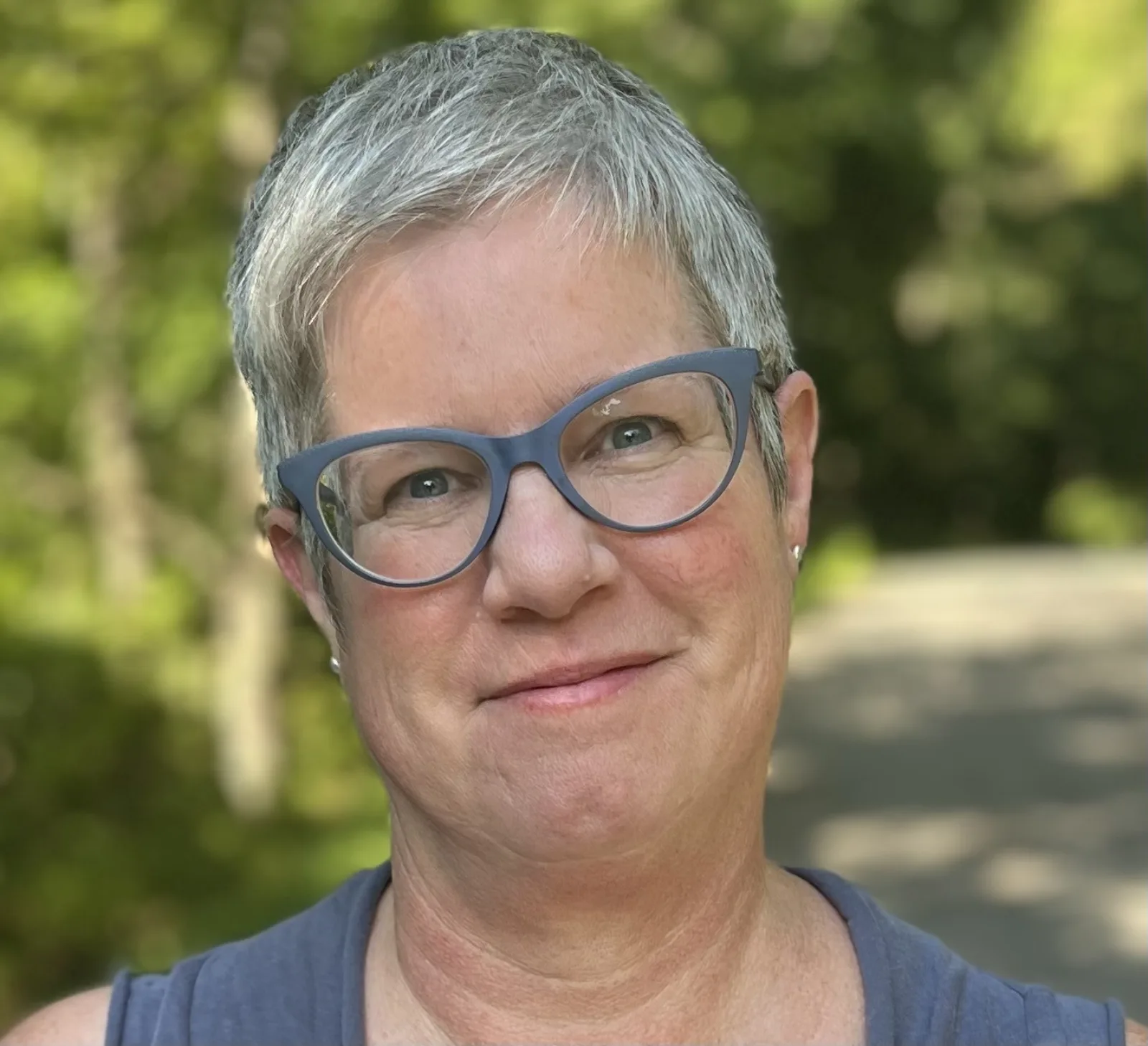
With a background in labor activism, international solidarity work, and midwifery, Heather Sinclair is currently a Visiting Assistant Professor of History at Ohio University. This paper forms a chapter in her first book manuscript, 'Birth City': Reproductive Violence, Race, Labor and Colonialism in the Twentieth Century Texas-Mexico Borderlands. Support for her research has included a Mellon Just Transformations Postdoctoral Fellowship. Her writing has appeared in the Pacific Historical Review and the Washington Post, among other publications.
Respondent
Wangui M. Muigai, Brandeis University
About the Borderlands and Latino/a Studies Seminar Series
The Newberry Borderlands and Latino/a Studies Seminar provides a forum for works-in-progress from scholars and graduate students that explore a variety of topics in the field. Seminars are conversational and free and open to faculty, graduate students, and members of the public, who register in advance to request papers.
Register
This event is free, but all participants must register in advance. Space is limited, so please do not request a paper unless you plan to attend.
Register and Request Paper