Description
What might an ivory carving tell us that texts cannot? Elephant ivory preserves DNA, isotopes, and other clues about where elephants lived, what they ate, and what their habitats were like. The artwork in the museum, the heirloom in the attic: they are not just antiques or keepsakes. They are archives of environmental history, hidden in plain sight.
This paper explores how historians might read ivory as an archive, using pieces from Ming and Qing China as case studies. The paper begins by charting the sheer extent of Ming and Qing ivory objects in Chicago and across the wider Midwest. It then follows the paper trail back to the late imperial period, asking what texts reveal about this ivory. Humans lives and stories leap off the pages of such sources; elephant ones do not. Yet ivory lets us to push past the point where the paper trail goes cold, recovering histories of elephants from Africa to Southeast Asia and documenting just how different their lives once were. Ultimately, by reading the textual, material, and biological archives against one another, we not only gain a fresh vantage on each archive’s strengths and limitations; we can situate texts and objects within the broader story of life on Earth: a story that is more global, less anthropocentric, and more readily accessible to anyone with ivory in an attic.
About the Speaker
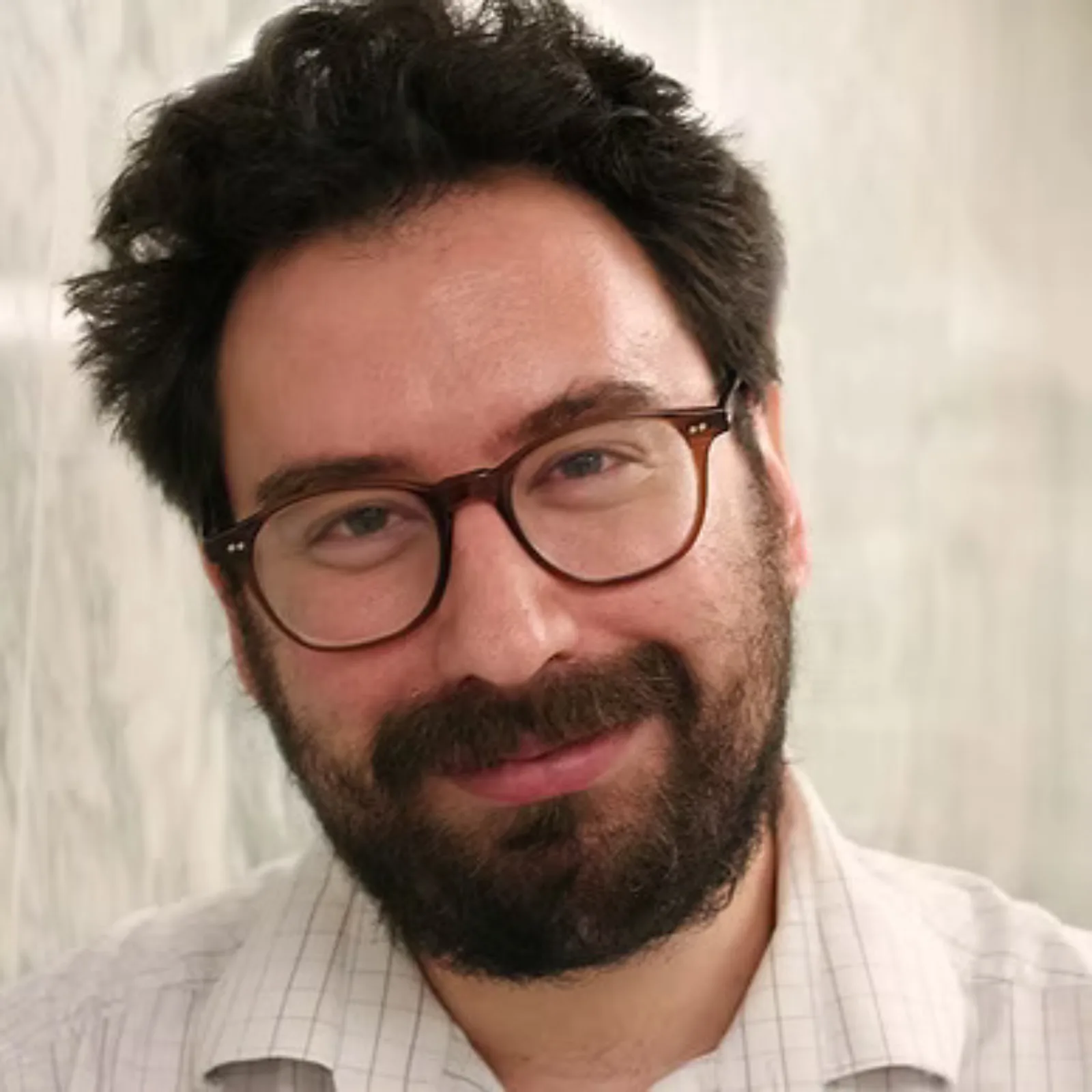
Jonathan Schlesinger is Associate Professor of History at Indiana University Bloomington. His first book, A World Trimmed with Fur (Stanford, 2017; Chinese edition, 2019), used Mongolian, Manchu, and Chinese sources to study the histories of mushrooms, pearls, and fur in the Qing empire. The book won the Association for Asian Studies’ Joseph Levenson Book Prize and was profiled in The New York Times. His current research focuses on the history of elephant ivory. As part of this work, he founded ArchIvory, an initiative to build the world’s largest open-access database of ivory objects.
About the Premodern Studies Seminar
The Premodern Studies seminar provides a forum for new approaches to classical, medieval, and early modern studies, allowing scholars from a range of disciplines to share works-in-progress. Seminars are conversational and free and open to faculty, graduate students, and members of the public, who register in advance to request papers.
Register and Request Paper
This event is free, but all participants must register in advance. Space is limited, so please do not request a paper unless you plan to attend.
Register and Request Paper