Description
This draft chapter is part of the larger manuscript, Guest Worker: Lives across Borders in an Age of Prosperity, 1919-75, under contract with UNC Press. The project explores the histories of “temporary” labor migration policies and the people whose lives they shaped, grounded in one case study each from Europe, southern Africa, and North America. Chapter 5 utilizes oral history interviews and archival evidence to examine the physical experiences of labor, life, and leisure for migrant workers in the United States, South Africa, and France, as well as the ways that the organization of work, food, and housing could foment specific constellations of relationships with political implications.
About the Speaker
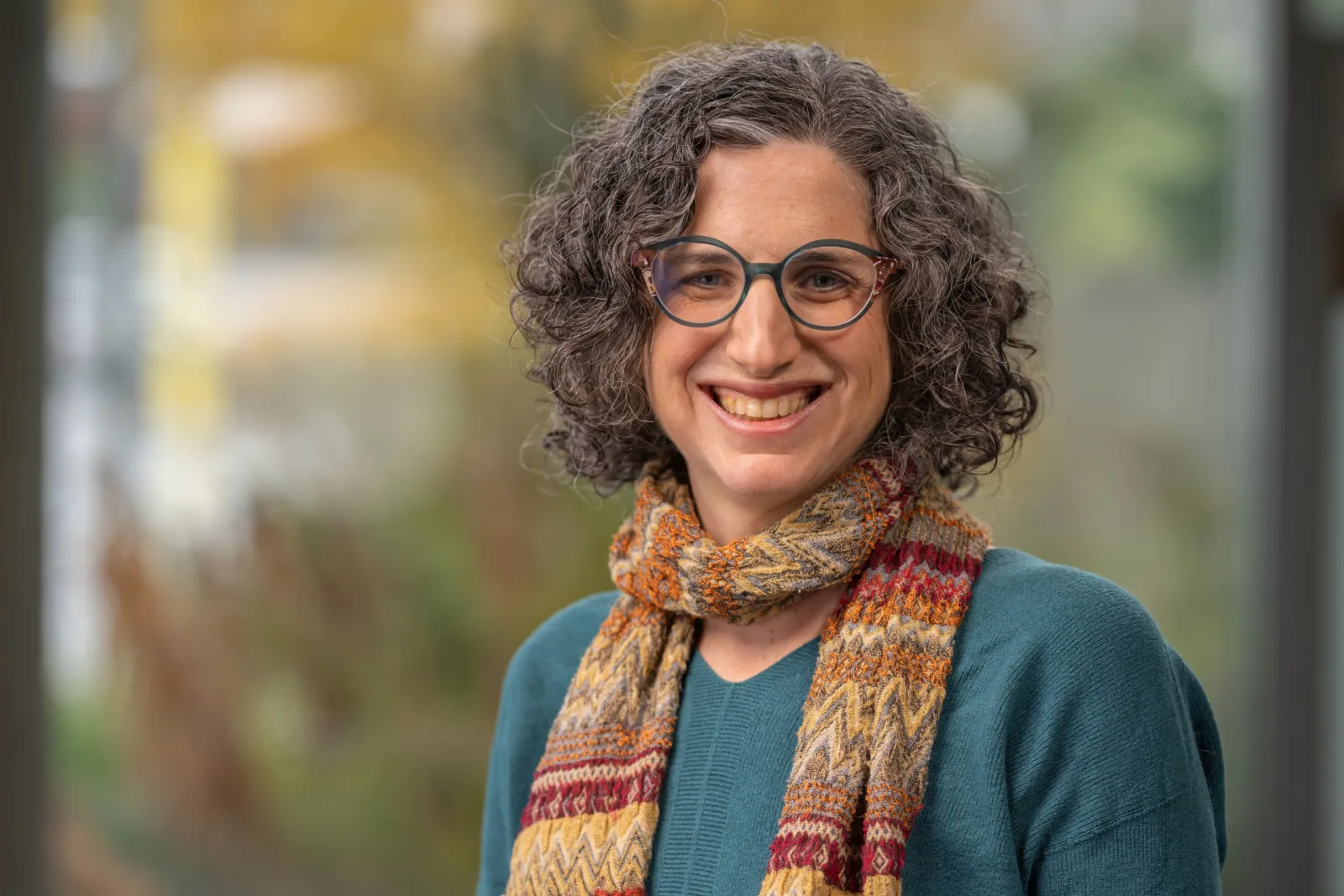
Julie M. Weise is Associate Professor of History and Interim Director of the Latinx Studies program at the University of Oregon. Her first book, Corazón de Dixie: Mexicanos in the U.S. South since 1910 (UNC Press, 2015), garnered awards from the Organization of American Historians and the Working Class Studies Association. Her current manuscript is under contract with UNC Press. Her research has been supported by Fulbright France, the National Endowment for the Humanities, and the School for Advanced Research among others. Her article coauthored with German historian Christoph Rass in The American Historical Review, about the transatlantic intellectual roots of the Bracero Program, won an award from the Latin American Studies Association. Together with colleagues in Europe and Malawi, she created http://matchona.org, the first online repository of oral history interviews with Malawians on the move in twentieth century southern Africa. Her writing and commentary on immigration have appeared in The Washington Post, The Los Angeles Times, The Atlantic, National Public Radio, The San Francisco Chronicle, and Zocalo among other outlets.
Respondent
Alberto Wilson
About the Labor History Seminar Series
The Labor History Seminar provides a forum for works in progress that explore the history of working class people, communities, and culture; class and state policy; unions and popular political movements; and other related topics.
Register
This event is free, but all participants must register in advance. Space is limited, so please do not request a paper unless you plan to attend.
Register and Request Paper