Class Description
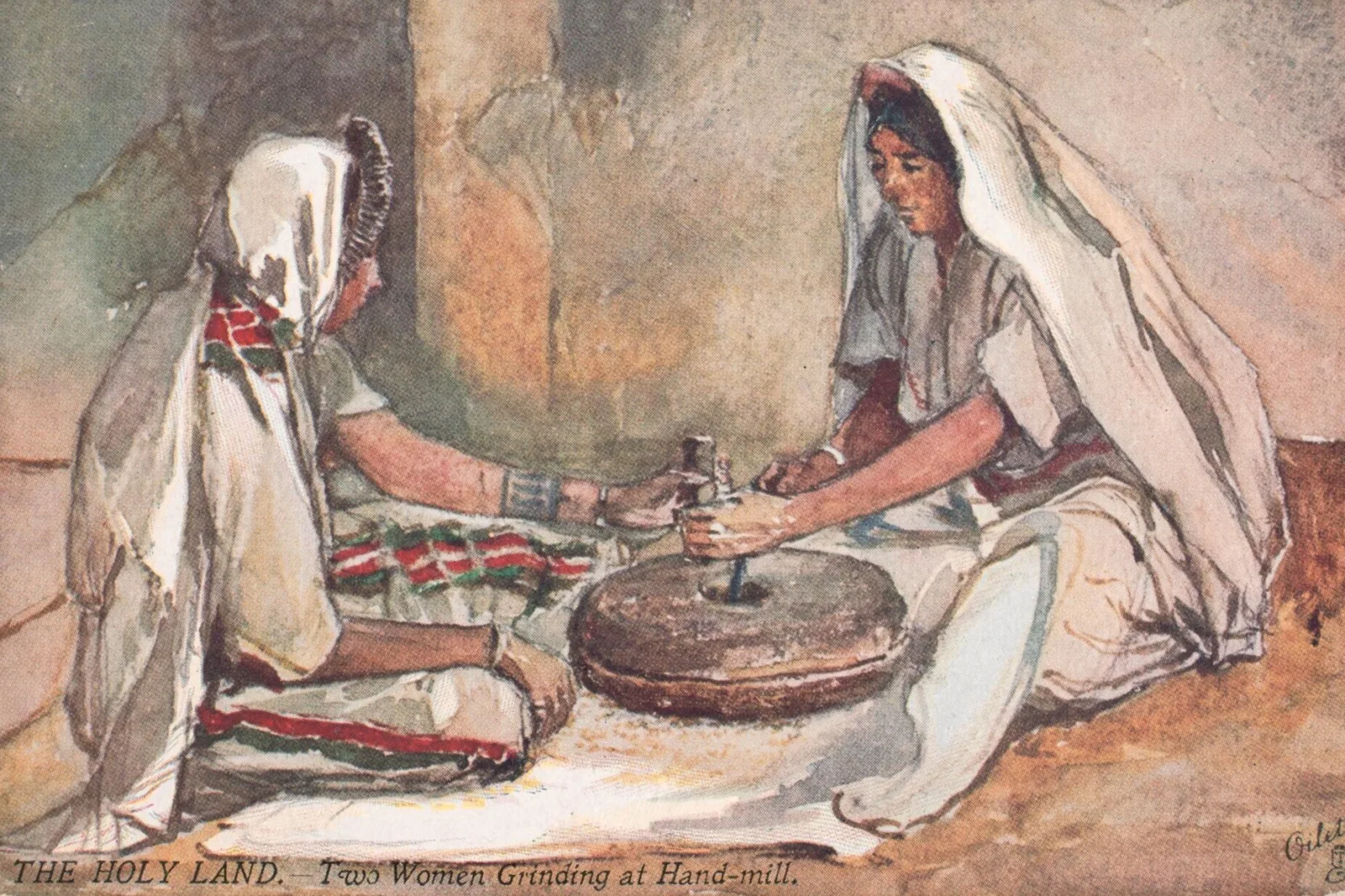
This course narrates the diverse Palestinian condition through agricultural symbolism in creative production. Examining political movements, literature, photography, art, maps, film, and other forms of expression, we will explore the tension between colonialism and indigeneity, uplift alternative modes of knowing, and delve into the Palestinian national consciousness. In each session, we will travel across Palestinian harvest seasons and geographies, focusing on different flora and fauna as expressed in diverse media forms. We will investigate why agriculture is a symbol of the nation and how the physical landscape is impacted by annihilation. While unveiling identity expressed in agriculture, we will also look at extermination, ecocide, settler-violence, and land annexation to elucidate the inextricable relationship between land and body by both settler and native.
All virtual classes are recorded and made available to participants registered in the class. These recordings are password-protected and available for up to two weeks after the class ends.
Marah Abdel Jaber is a Palestinian writer, researcher, and creative focusing on constructions of the Palestinian nation, literature, agriculture, and imaginative movements. She holds an MA in Middle Eastern Studies from the University of Chicago.
What to Expect
Format: Virtual
Class Capacity: 20
Class Style: Mix of lecture and discussion; participation encouraged
Materials List
Required
- Instructor-Distributed Materials
A Brief Syllabus
- The Blessed Tree: Olives (Across Palestine)
- A Peasant Lady: Figs (West Bank)
- Winter Bears Bitter Fruit: Orange and Lemon (Historic Palestine)
- Longing For Home: Dates, Guava, and Strawberry (Gaza)
- Patience is Sweet: Prickly Pear (Depopulated Villages)
- Wildflowers of Palestine: Flora and Fauna (Across Palestine)
Cost and Registration
6 Sessions, $270 ($243 for Newberry members, seniors, and students). Learn about becoming a member.
We offer our classes at three different price options: Regular ($270), Community Supported ($250), and Sponsor ($290). Following the models of other institutions, we want to ensure that our classes are accessible to a wider audience while continuing to support our instructors. You may choose the price that best fits your situation when registering through Learning Stream.
To register multiple people for this class, please go through the course calendar in Learning Stream, our registration platform. When you select the course and register, you’ll be prompted to add another registrant.
RegisterSupport the Newberry
Your generosity is vital in keeping the library’s programs, exhibitions, and reading rooms free and accessible to everyone.
Make a GiftQuestions?
Call us at (312) 255-3700 or send us an email at adulteducation@newberry.org.
We are in office Tuesday through Thursday, 10 am–6 pm CT.
We are available by email Tuesday through Saturday.