Class Description
Turn on the TV or go to Wrigley, and you see ads urging you to bet on sports through the FanDuel or DraftKings app. Open up the newspaper, and you read of a player recently arrested for fixing games to reward accomplices. Visit our state capitol when they pass a funding bill, and you hear discussion on how to increase the current collection of $200 million from sports betting.
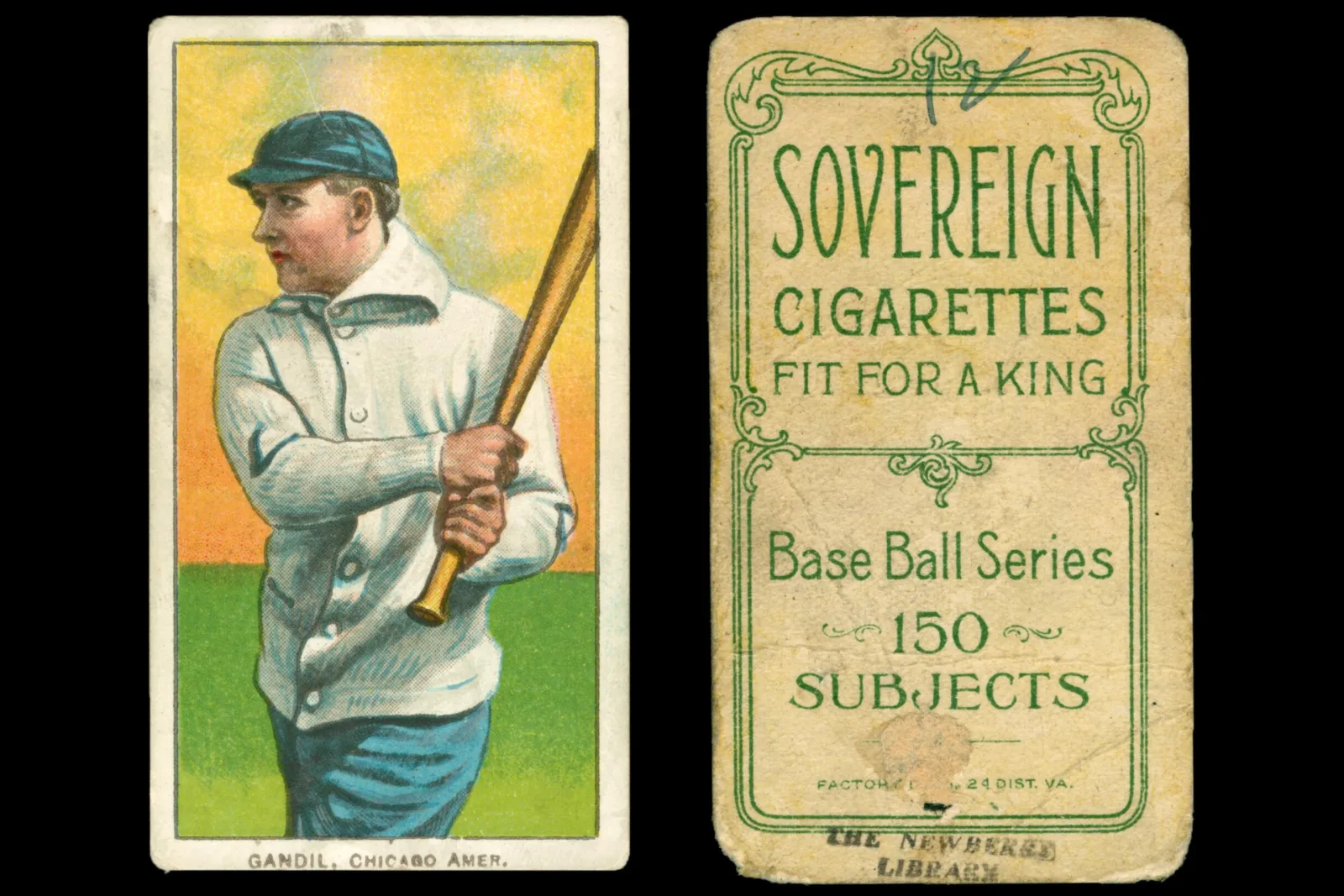
Since a 2018 Supreme Court decision removed a 30-year federal ban, sports betting seems to be everywhere. However, even before 2018, sports betting played a significant role in the history of sports, media, gambling, and crime in the U.S. and Chicago.
This course surveys the storied history and culture of sports betting in the United States and Chicago. Each session will focus on a particular element of sports betting: How do sportsbooks make money? How have professional sports attempted to control gambling? Where does addiction come from, and who bears the responsibilities for its effects? What is the difference between a sportsbook and a stock market? In asking these questions, we will historicize contemporary debates about the present and future of gambling in the United States.
Ryan Fajardo is a doctoral candidate in Sociology at Northwestern University. His research broadly focuses on the intersection of culture, technology, and economics in the contemporary United States. Ryan’s dissertation explores the regulation of online sports betting and the competing conceptions of responsible betting behaviors advanced in the new industry.
What to Expect
Format: In Person
Class Capacity: 18
Class Style: Mix of lecture and discussion; participation encouraged
Materials List
Required
- Digital Course Packet
- Eight Men Out (1988). Directed by John Sayles. Available to stream on Roku, Kanopy, Hoopla, or Prime Video, or to rent on Apple TV.
First Assignment
- Pradier, Pierre-Charles. 2019. “Betting on sport: history, regulation, and measurement.” Pg. 150-166 in Historical Perspective on Sports Economics: Lessons from the Field.
- Davies, Richard, and Richard Abram. 2001. “Chapter 5: The Point Spread Revolution.” Pg. 51-60 in Betting the Line: Sports Wagering in American Life.
- Before we meet, I would like you to engage in auto-ethnography. That is, analyze and reflect on your own experiences to come to a better understanding of a particular social activity. Maybe you’ve made many bets; maybe this is your first time. Regardless, visit a sportsbook, either digital or physical. FanDuel and DraftKings are the most popular. DraftKings has a retail location attached to Wrigley, but you can also visit these sportsbooks online without downloading an app online. Look at the screens displaying betting options. What do you see? What jumps out to you? What confuses you or sparks your interest? Write down anything of interest or seems like worth remarking. Now, choose a bet. Find a particular event, any sport. Choose an outcome. You don’t have to actually place money on the bet, but you can if you’d like. Write down the key information of the bet so you know if you would have won or lost. Why did you make this choice out of the many? What did it feel like to place the bet? What was the experience of watching the game progress?
A Brief Syllabus
- The Unique Appeal of Discrete Future Outcomes
- “Say it ain’t so, Joe”
- The Illusion of Control
- The Province of Rational Men?
Cost and Registration
4 Sessions, $175 ($157.50 for Newberry members, seniors, and students). Learn about becoming a member.
We offer our classes at three different price options: Regular ($175), Community Supported ($160), and Sponsor ($190). Following the models of other institutions, we want to ensure that our classes are accessible to a wider audience while continuing to support our instructors. You may choose the price that best fits your situation when registering through Learning Stream.
To register multiple people for this class, please go through the course calendar in Learning Stream, our registration platform. When you select the course and register, you’ll be prompted to add another registrant.
Having trouble signing up? Take a look at our step-by-step guide to registration by clicking here.
RegisterThe views and opinions expressed in this class and/or by the instructor are not necessarily representative of the Newberry. We aim to ensure that in our classes, participants can have respectful disagreement to foster critical thinking. This is a space to challenge and expand our own worldviews to work towards better understanding and appreciating humanity.
Support the Newberry
Your generosity is vital in keeping the library’s programs, exhibitions, and reading rooms free and accessible to everyone.
Make a GiftQuestions?
Call us at (312) 255-3700 or send us an email at adulteducation@newberry.org.
We are in office Tuesday through Thursday, 10 am–6 pm CT.
We are available by email Tuesday through Saturday.