Description
This paper proposes a new framework for interpreting human relationships with non-human nature in the premodern world, and applies it to the case of early modern Britain. It suggests domestic ecology as a way to highlight early modern people’s sophisticated knowledge of natural systems, which they deployed instrumentally, either to advance economic goals like profitable farming, or political and cultural goals like sociable hunting. Such practices were ecological because they paid close attention to relationships between living things and their environments, attention sometimes requiring respect, concern, admiration, or sympathy. But they were domestic because domestication was the goal, not the preservation of some non-human equilibrium in the ways common to the modern science of ecology. This paper, then, tries to illuminate how natural knowledge was deployed to manipulate and manage early modern Britain’s environments, and how care for creation co-existed with anthropocentrism.
About the Speaker
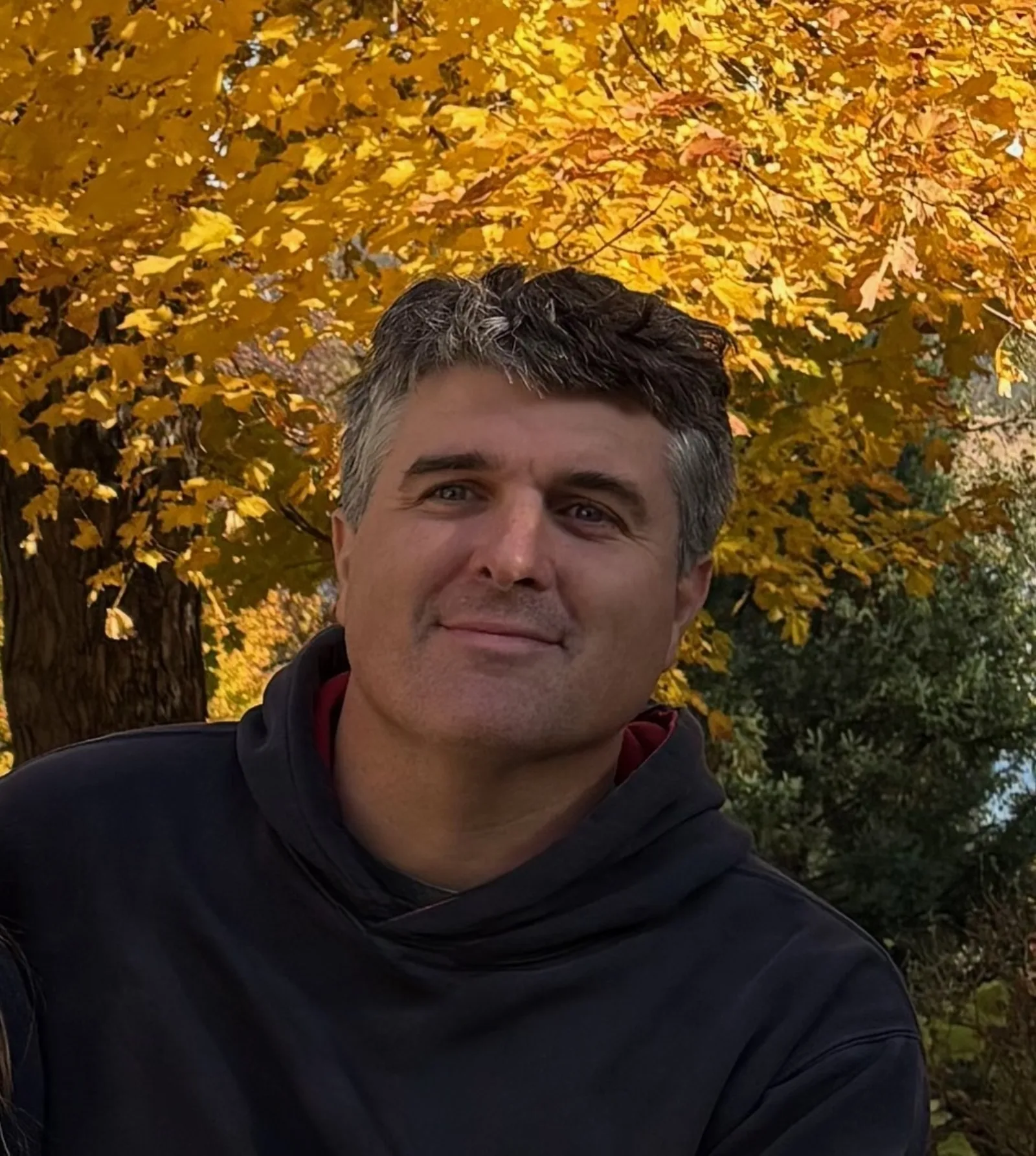
William Cavert is a historian of the early modern British environment, based at the University of St. Thomas in St. Paul, MN. His 2016 book The Smoke of London: Energy and the Environment in the Early Modern City won awards for British history and for environmental history, and his 2025 article on industrial brewing in early modern London won the Dyos Prize from Urban History. He has published on cold winters during the Little Ice Age, the coal economy, stereotypes of urban pollution, the politics of natural knowledge, and is the author of the “People and Nature” chapter for the forthcoming New Cambridge History of Britain. Current work, supported in 2022-23 by a Fulbright in the UK and a Davis Fellowship at Princeton, focuses on animal killing in Britain and its empire, including the forthcoming article “The Great Hedgehog Massacre: Vermin Bounties and the State in Early Modern England.” He held a research fellowship at Cambridge University from 2011-14, after completing his graduate studies at Loyola University Chicago and Northwestern.
About the Premodern Studies Seminar
The Premodern Studies seminar provides a forum for new approaches to classical, medieval, and early modern studies, allowing scholars from a range of disciplines to share works-in-progress. Seminars are conversational and free and open to faculty, graduate students, and members of the public, who register in advance to request papers.
Register and Request Paper
This event is free, but all participants must register in advance. Space is limited, so please do not request a paper unless you plan to attend.
Register and Request Paper