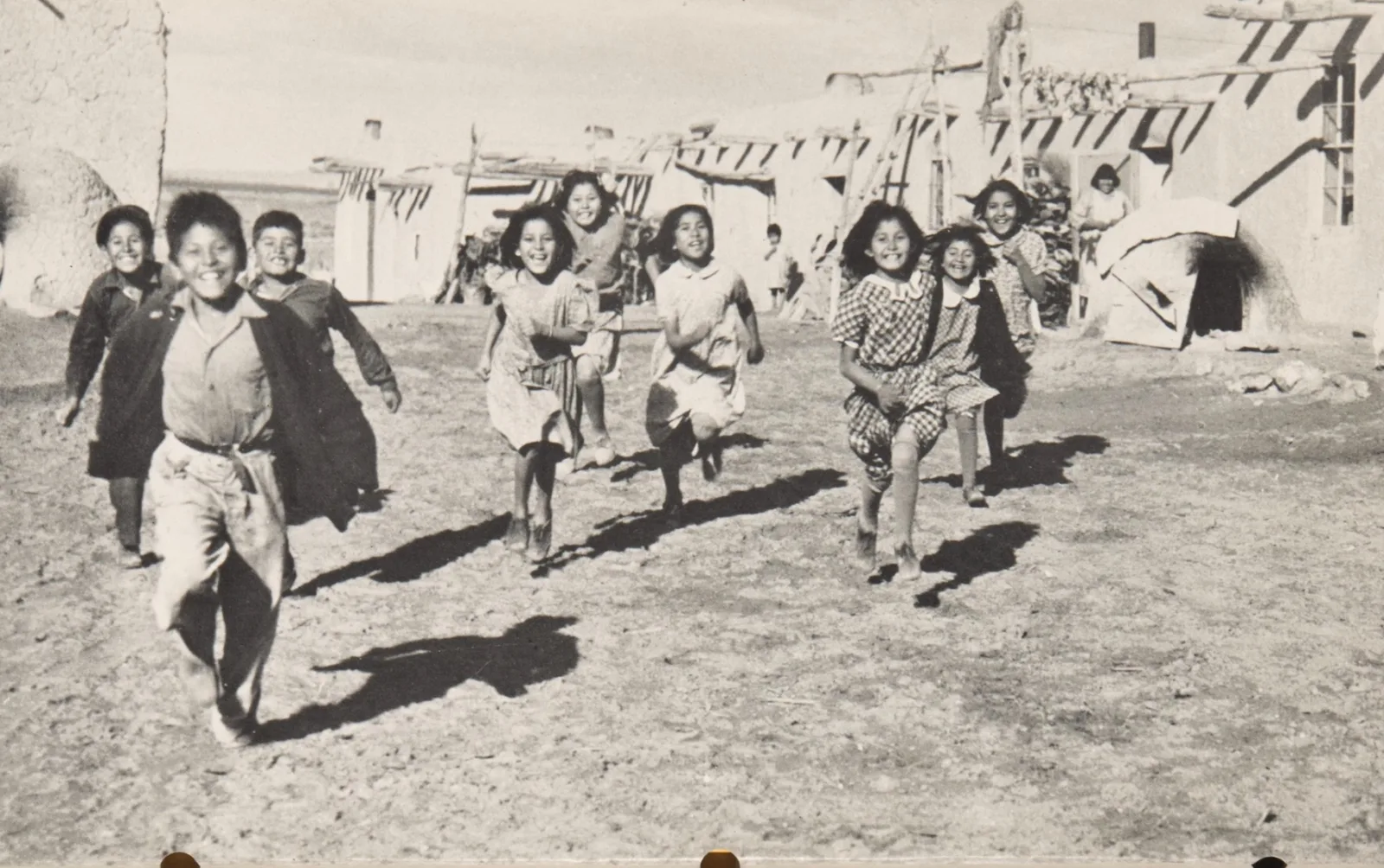
The Newberry Library has received a $4 million grant from the Mellon Foundation to expand access to its renowned Indigenous Studies collections and strengthen collaboration with tribal nations. Building on a previous Mellon-funded planning grant (2020-2023), this five-year project will transform how Indigenous histories are preserved, accessed, and represented.
The Newberry holds one of the largest print and manuscript collections on Indigenous history, encompassing more than 130,000 volumes, 1 million manuscript pages, 2,000 maps, 500 atlases, 11,000 photographs, and 3,500 drawings. For decades, the library’s D’Arcy McNickle Center for American Indian and Indigenous Studies has worked to make these resources accessible, but this grant marks a significant step forward.
“This transformative investment will expand our outreach to and collaboration with Indigenous nations which, in turn, will deepen the opportunities to understand and interpret our collection materials” said Astrida Orle Tantillo, the Newberry’s President and Librarian. “It is the Newberry’s mission to make its collection materials available to all, and we are so excited that the Mellon grant will greatly expand access to these resources.”
More than half of the grant’s resources will directly support tribal nations through honoraria, travel, training, digitization, fellowships, and collaborative projects. A major priority is the digitization of the Ayer North and Middle America Linguistics Collection (2,439 items in more than 300 Indigenous languages) and other collection materials selected by tribal nations. These digitized items will then be easily accessible on the library’s website, greatly supporting language revitalization, scholarly research, and community-led projects. The grant also funds three new staff positions, enabling the library to expand outreach and further embed Indigenous cultural protocols into cataloging, digitization, and access policies.
“These funds will help us build partnerships rooted in respect and reciprocity,” said Rose Miron, the Newberry’s Vice President for Research and Education. “We will support community access and enable tribal nations to determine who may access culturally sensitive knowledge.”
This work is designed for lasting impact. By embedding Indigenous-centered practices into cataloging, digitization, and outreach, the Newberry will create systems that endure beyond the grant period.
“This support will strengthen work that centers the priorities of Native nations,” said Madison Bastress, Director of the McNickle Center. “We look forward to increasing our capacity to sustain long-term tribally led research and stewardship.”