Scroll down for Spanish / Desplázate hacia abajo para español
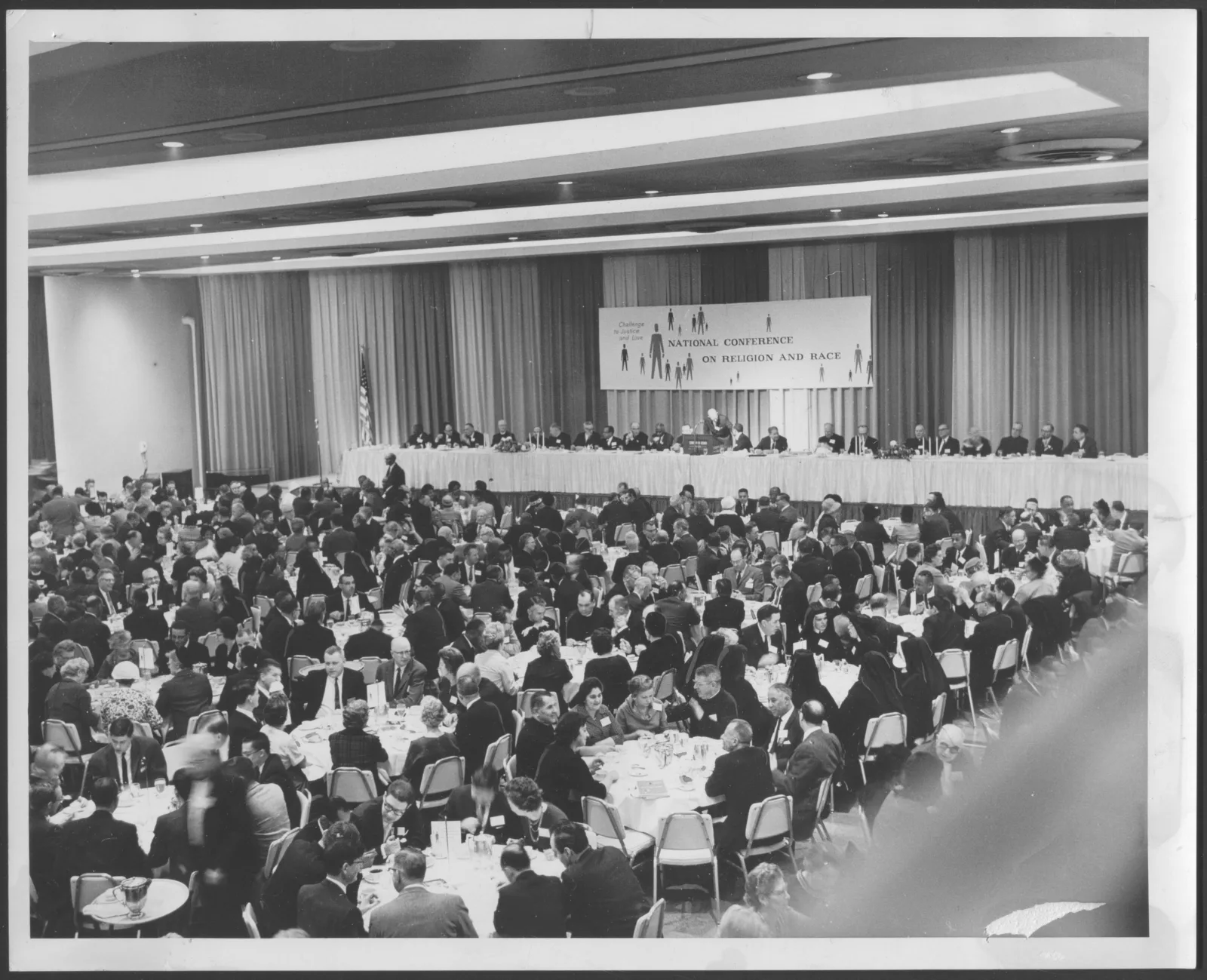
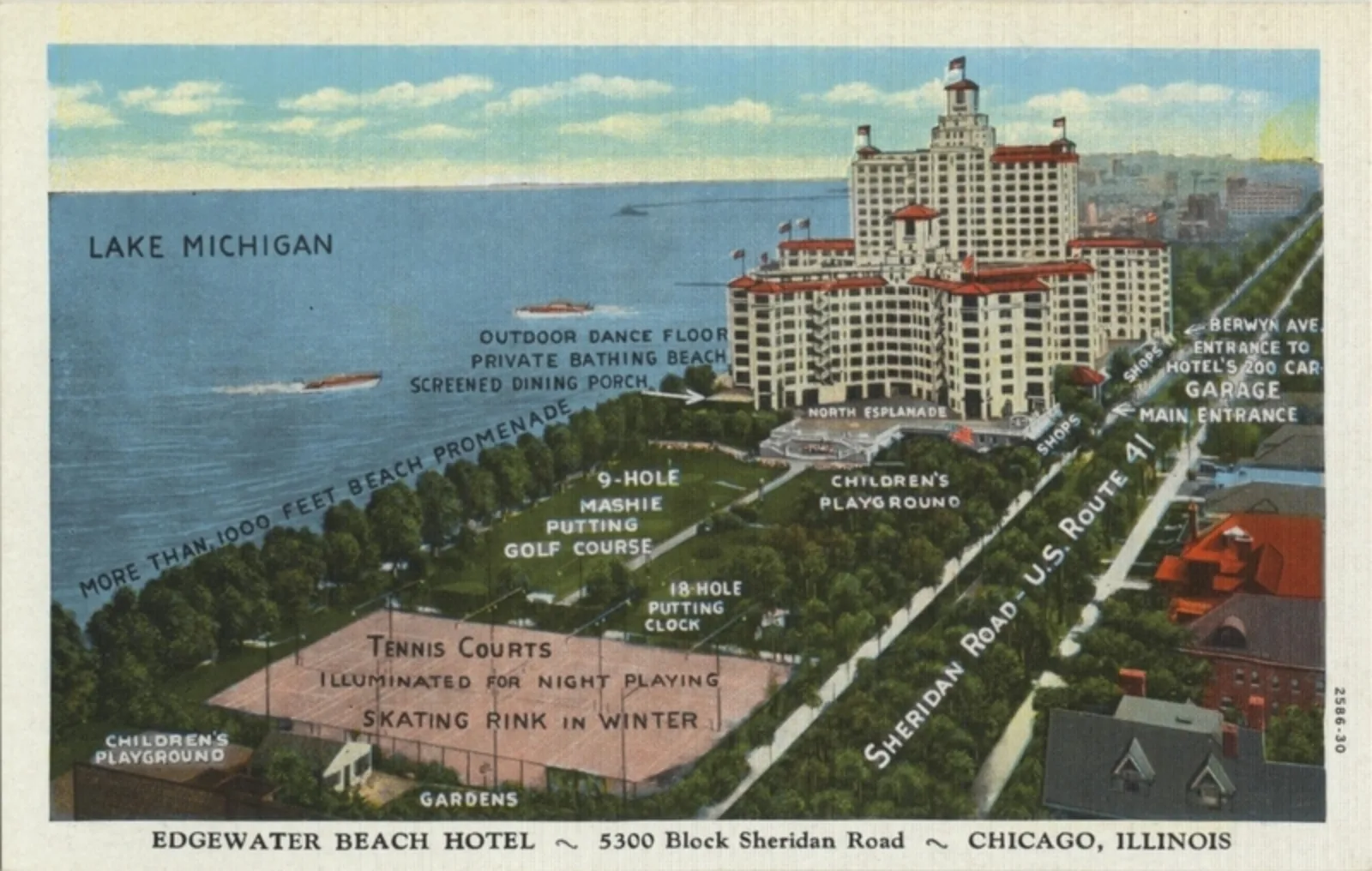
Over three days in January 1963, clergy and laity representing Jewish, Protestant, and Catholic communities from across the United States gathered at the Edgewater Beach Hotel. The property often attracted Hollywood stars and professional athletes visiting Chicago, who enjoyed tennis courts, private beaches, and a seasonal ice skating rink on the hotel’s grounds. These religious leaders and activists, however, were focused on weightier matters as they convened the inaugural National Conference on Religion and Race. The event looked backward, honoring the hundredth anniversary of the Emancipation Proclamation, and spoke to contemporary concerns, with sessions that discussed issues like “the role of Church and Synagogue in a racially changing community.”
Nationally renowned speakers and leaders traveled to be a part of the proceedings. Religious leaders within the Civil Rights movement, notably the Rev. Martin Luther King Jr. and Rabbi Abraham Heschel, addressed the crowd. President John F. Kennedy sent a statement. Mahalia Jackson sang.
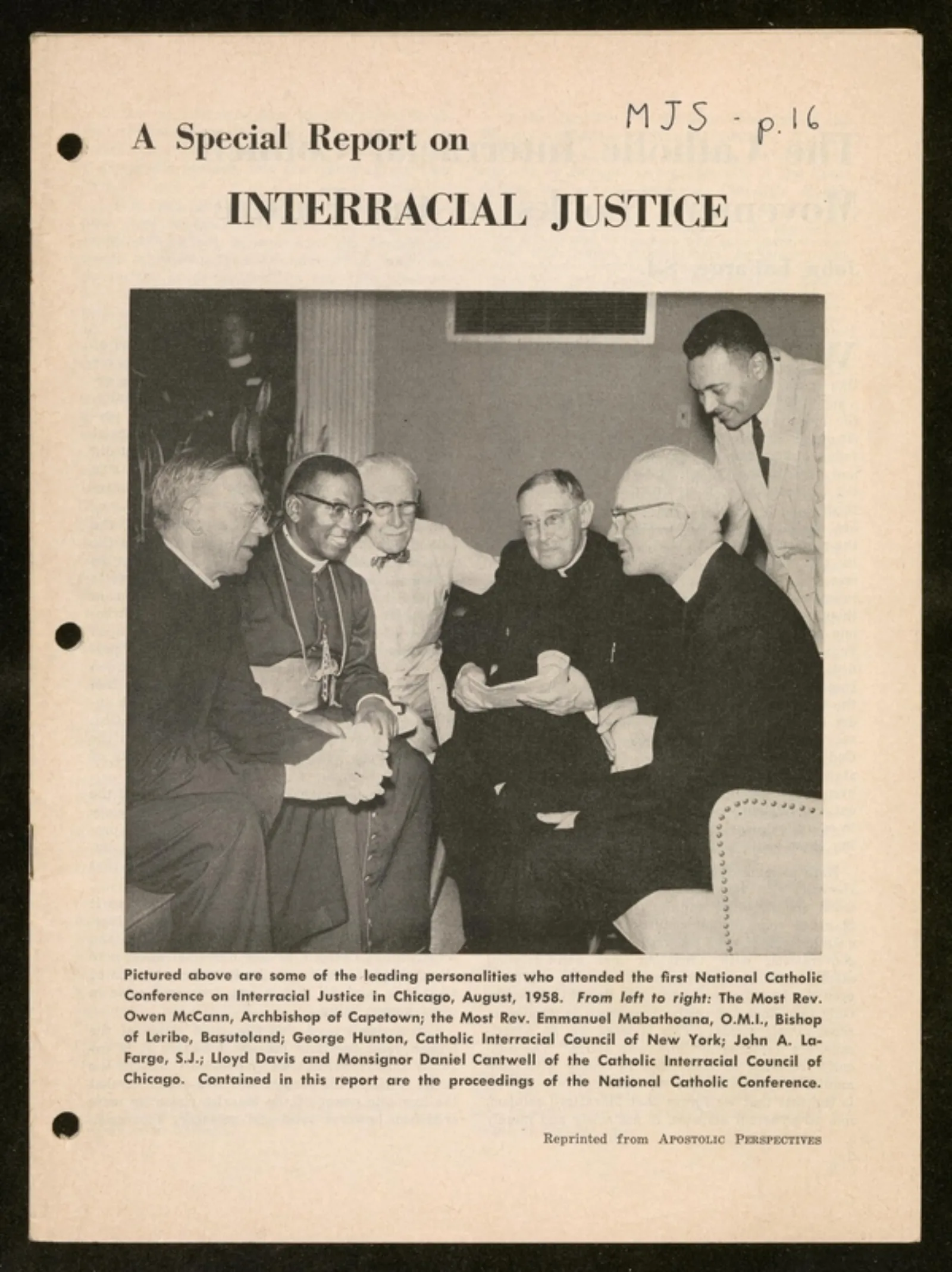
But Chicagoans, in particular, moved the project forward. Administrative support for the Conference came from the Catholic Conference on Interracial Justice, an organization founded and based in Chicago, which had held its own, smaller conference on racial justice and the Catholic Church five years earlier.
For the 1963 interfaith gathering, Catholic authorities, including the Archbishop of Chicago, appeared alongside Protestant leaders, like Congregationalist minister Edgar Chandler, who presided over the ecumenical Church Federation of Chicago, and prominent rabbis, including Irving Rosenbaum, the executive director of the Chicago Board of Rabbis.
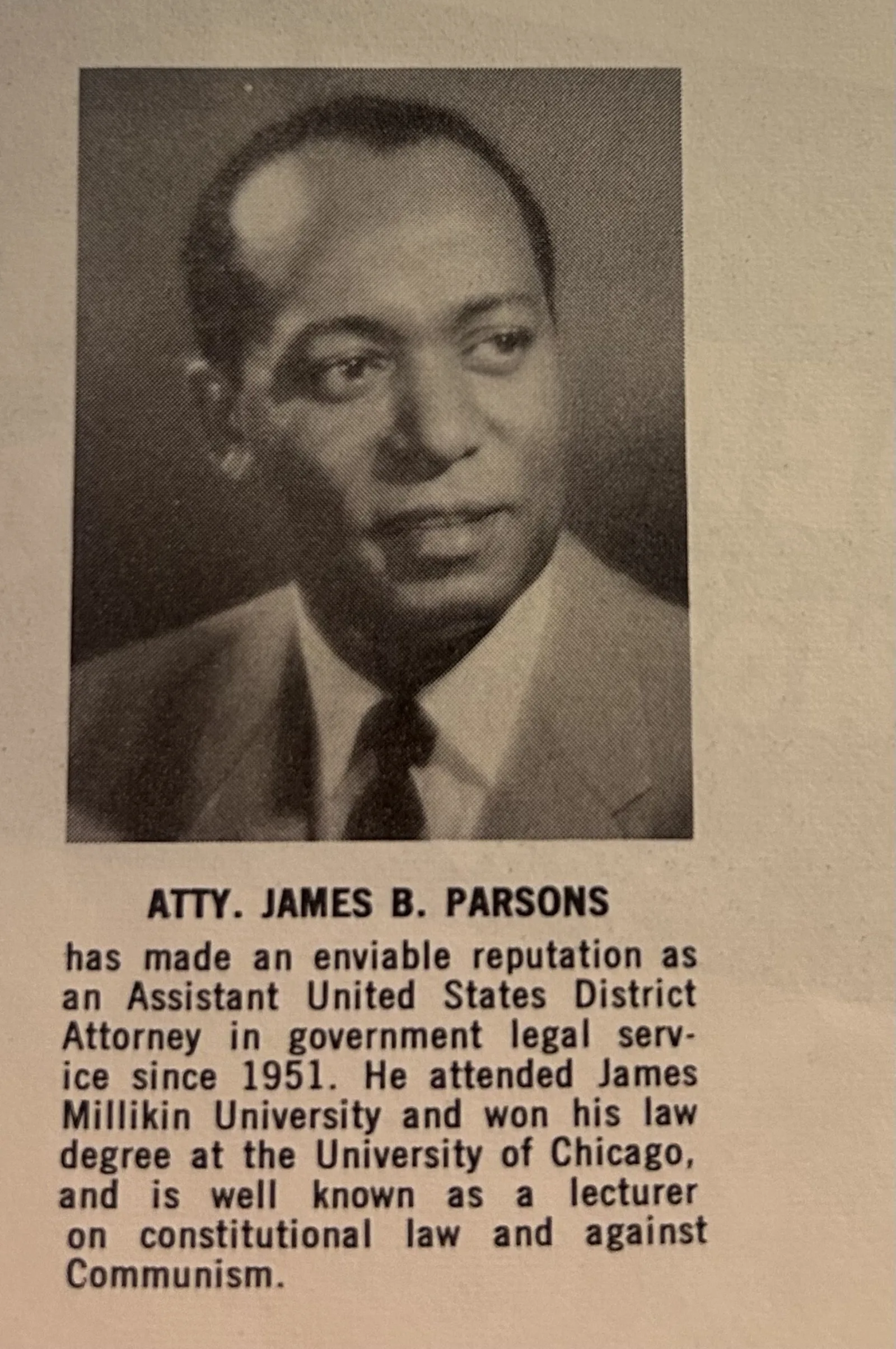
Civic leaders joined Chicago’s clergy in planning and supporting the event. Mayor Richard J. Daley and Illinois governor Otto Kerner both delivered opening remarks. Judge James Parsons headed the host committee. Parsons, a graduate of the University of Chicago law school, had become the first African American United States District judge after President Kennedy nominated him to the bench in 1961.
The overlapping efforts of religious and political leaders illustrated how the conference’s organizers understood their work for racial justice to have intertwined social and spiritual dimensions. The minutes of a planning meeting indicate that the Conference’s organizers felt that “emphasis should be given to the fact that the conference is being convened to commemorate the centennial of the signing of the Emancipation Proclamation; but the Conference is to do this in such a way as concentrates on the religious significance of the event. The churches and synagogues did play a role in creating the climate in which the Civil War took place.” This historical attention to religion and social change carried through to the present. “The Conference,” its organizers wrote, “hopes to make its distinct contribution by a fruitful examination of the role of religious institutions in race relations, a review with serious recommendations for the future.”
The questions participants wrestled with at the Edgewater Beach Hotel only grew more urgent as the decade unfolded. During the conference, working groups discussed religious institutions’ roles in urban neighborhoods and their relationships with political entities, conversations that continued throughout the 1960s, as Chicago's religious communities confronted school segregation, housing discrimination, urban renewal, and growing demands for political and economic equality.
Many clergy and congregations played prominent roles in the Chicago Freedom Movement, neighborhood organizing campaigns, anti-war activism, and emerging movements for women's and Latino rights, while debates within churches, synagogues, and mosques reflected broader disagreements about the pace and meaning of social change. The 1963 conference did not resolve these questions, but it helped establish a framework for understanding racial justice as a religious concern and demonstrated the central role faith communities would continue to play in shaping Chicago's public life throughout the 1960s.
Further Reading
More information about the 1963 National Conference on Religion and Race can be found on the Jewish Theological Seminary’s Heschel Center website and the Stanford University King Institute website. The Newberry has digitized materials from the 1958 National Catholic Conference for Interracial Justice and holds the papers of Judge Augustine Howe, an early leader of the Catholic Interracial Justice Council who maintained relationships with many of the Civil Rights and interfaith organizations who made possible the Conference at the Edgewater Hotel.
Grace Holleman is a a doctoral student in American Religions at Northwestern University and a Chabraja Center Summer Intern for the Beyond Belief initiative.
Español
Durante tres días en enero de 1963, clérigos y laicos que representaban a las comunidades judías, protestantes y católicas de todo Estados Unidos se reunieron en el Edgewater Beach Hotel. El lugar solía atraer a estrellas de Hollywood y atletas profesionales que visitaban Chicago, quienes disfrutaban de las canchas de tenis, las playas privadas y una pista de patinaje sobre hielo de temporada en la propiedad del hotel. Sin embargo, estos líderes religiosos y activistas estaban concentrados en asuntos de mayor trascendencia al reunirse para celebrar la primera Conferencia Nacional sobre la Religión y la Raza. El encuentro dirigía la mirada al pasado al conmemorar el centenario de la Proclamación de Emancipación, a la vez que abordaba inquietudes del presente mediante sesiones en las que se debatían temas como “el papel de la Iglesia y la Sinagoga en una comunidad en proceso de cambio racial.”
Oradores y líderes de renombre nacional viajaron para participar en el encuentro. Líderes religiosos del movimiento por los derechos civiles, entre ellos el reverendo Martin Luther King Jr. y el rabino Abraham Heschel, se dirigieron a los asistentes. El presidente John F. Kennedy envió un mensaje. Mahalia Jackson cantó.
Pero fueron los habitantes de Chicago, en particular, quienes impulsaron el proyecto. El apoyo administrativo para la Conferencia provino de la Conferencia Católica sobre Justicia Interracial, una organización fundada y con sede en Chicago, que cinco años antes había celebrado su propia conferencia, más pequeña, sobre la justicia racial y la Iglesia católica.
Para el encuentro interreligioso de 1963, las autoridades católicas, incluido el arzobispo de Chicago, aparecieron junto a líderes protestantes, como el ministro congregacionalista Edgar Chandler, quien presidía la Federación Ecuménica de Iglesias de Chicago, y rabinos destacados, entre ellos Irving Rosenbaum, director ejecutivo de la Junta de Rabinos de Chicago.
Los líderes cívicos se unieron al clero de Chicago para planear y apoyar el evento. El alcalde Richard J. Daley y el gobernador de Illinois, Otto Kerner, pronunciaron sus discursos de apertura. El juez James Parsons encabezó el comité anfitrión. Parsons, graduado de la facultad de derecho de la Universidad de Chicago, se había convertido en el primer juez afroamericano de un tribunal de distrito de Estados Unidos después de que el presidente Kennedy lo nombrara para el cargo en 1961.
Los esfuerzos conjuntos de líderes religiosos y políticos pusieron de manifiesto que los organizadores de la conferencia eran conscientes de los lazos estrechos que existían entre las dimensiones sociales y espirituales de su labor en favor de la justicia racial. Las actas de una reunión de planificación indican que los organizadores de la Conferencia consideraban que “se debía hacer hincapié en el hecho de que la conferencia se convocaba para conmemorar el centenario de la firma de la Proclamación de Emancipación; pero la Conferencia debía hacerlo de tal manera que se centrara en el significado religioso del evento. Las iglesias y sinagogas sí jugaron un papel en la creación del clima en el que se desarrolló la Guerra Civil”. Esta atención histórica a la religión y al cambio social se ha mantenido hasta el presente. “La conferencia”, escribieron sus organizadores, “espera hacer su propia contribución mediante un análisis fructífero del papel de las instituciones religiosas en las relaciones raciales, un análisis que incluya recomendaciones serias para el futuro”.
Las preguntas con las que los participantes se enfrentaron en el Edgewater Beach Hotel se volvieron cada vez más urgentes a medida que avanzaba la década. Durante la conferencia, los grupos de trabajo discutieron el papel de las instituciones religiosas en los barrios urbanos y sus relaciones con las entidades políticas, conversaciones que continuaron a lo largo de la década de 1960, mientras las comunidades religiosas de Chicago se enfrentaban a la segregación escolar, la discriminación en la vivienda, la renovación urbana y las crecientes demandas de igualdad política y económica.
Muchos clérigos y congregaciones desempeñaron un papel destacado en el Movimiento por la Libertad de Chicago (Chicago Freedom Movement), en campañas de organización vecinal, en el activismo contra la guerra y en los movimientos emergentes por los derechos de las mujeres y de los latinos, mientras que los debates dentro de las iglesias, sinagogas y mezquitas reflejaban desacuerdos más amplios sobre el ritmo y el significado del cambio social. La conferencia de 1963 no resolvió estas cuestiones, pero ayudó a establecer un marco para entender la justicia racial como una preocupación religiosa y demostró el papel central que las comunidades de fe seguirían desempeñando en la configuración de la vida pública de Chicago a lo largo de la década de los 60.
Lecturas adicionales
Puedes encontrar más información sobre la Conferencia Nacional sobre la Religión y la Raza de 1963 en el sitio web del Centro Heschel del Seminario Teológico Judío y en el del Instituto King de la Universidad de Stanford. La biblioteca Newberry ha digitalizado materiales de la Conferencia Nacional Católica sobre la Justicia Interracial de 1958 y conserva los documentos del juez Augustine Howe, uno de los primeros líderes del Consejo Católico por la Justicia Interracial, quien mantuvo relaciones con muchas de las organizaciones de derechos civiles e interreligiosas que hicieron posible la conferencia en el hotel Edgewater.
Grace Holleman es estudiante de doctorado en Religiones Estadounidenses en la Universidad Northwestern y pasante de verano del Centro Chabraja para la iniciativa Más allá de la fe.