Scroll down for Spanish / Desplázate hacia abajo para español
In 1964, the Presbytery of Chicago, a regional body supporting United Presbyterian Church congregations in and around the city, produced a document on racial integration and housing. Working with the national Church’s Commission on Religion and Race (CORAR), the Presbytery offered a report on demographic change in suburban neighborhoods. It rebutted claims that African American residents moving into formerly all-white areas would destroy home values and break up communities.
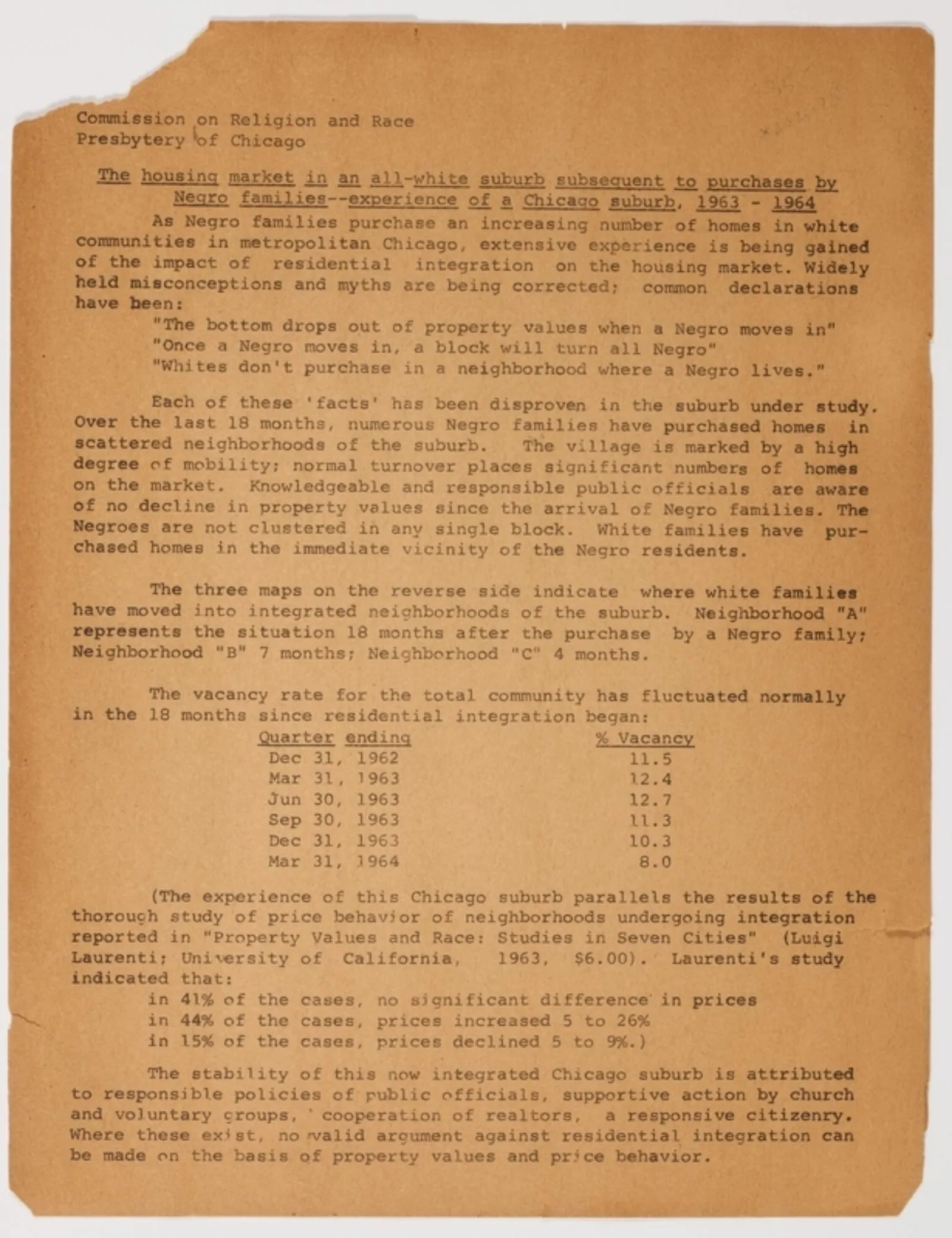
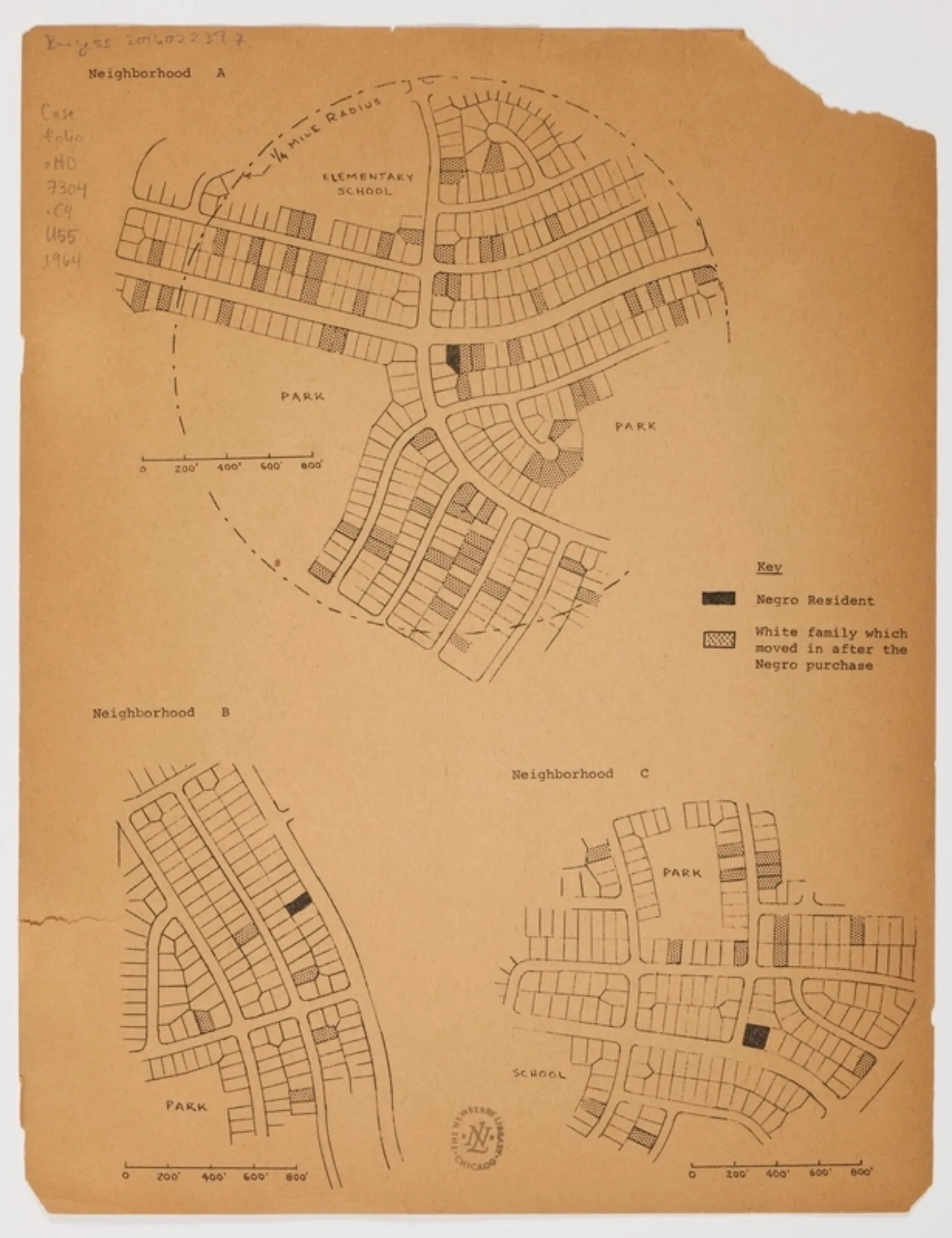
The report bears the dry title “The Housing Market in an All-White Suburb Subsequent to Purchases by Negro Families—experience of a Chicago suburb, 1963-1964.” With its table of vacancy statistics organized by fiscal quarter and schematic maps of housing lots in suburban neighborhoods, the simple flyer looks more likely to have been produced by a political aide or a graduate student in sociology than by a voluntary organization bound by religious commitments.
Still, the authors insist that religious institutions, public policy, and racial justice are fundamentally interrelated. Arguing that racial integration would only strengthen previously white neighborhoods, they write that “the stability of this now integrated Chicago suburb is attributed to responsible policies of public officials, supportive action by church and voluntary groups, cooperation of realtors, a responsive citizenry.” Where those factors exist, the authors claim, “no valid argument against residential integration can be made on the basis of property values and price behavior.” By weaving church groups into the litany of actors responsible for supporting just housing practices, the Presbytery’s report makes clear that its creators believe their affiliations with religious institutions require them to pursue racial and economic justice.
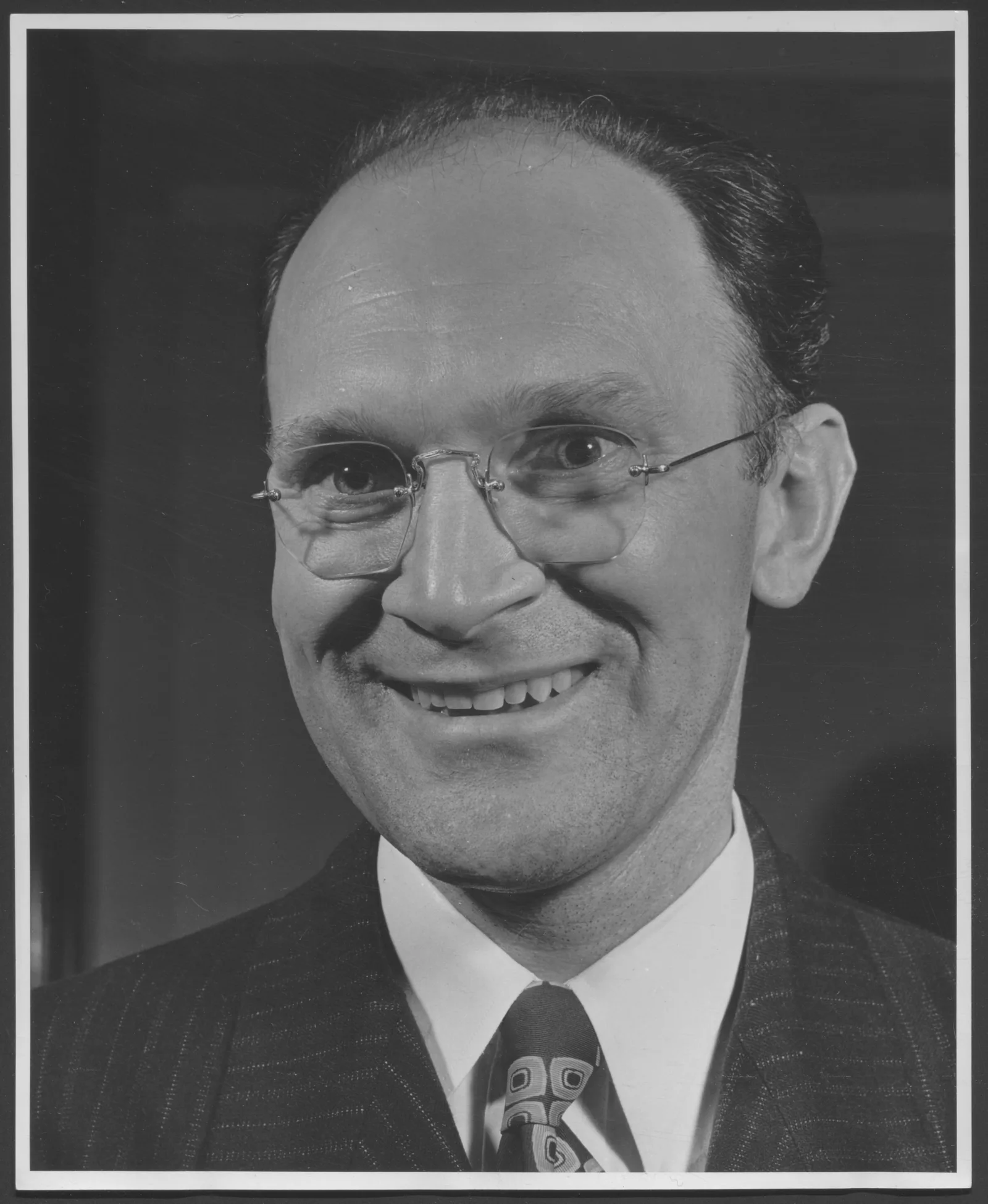
CORAR had been established in 1963 at the 175th General Assembly of the United Presbyterian Church. The Commission’s first chair, Marshal L. Scott, who taught at Chicago’s McCormick Theological Seminary, had a history of bridging religious institutions and economic issues. In 1944, he founded the Presbyterian Institute of Industrial Relations (PIIR), which sought to prepare Presbyterian ministers to address labor issues by placing them in industrial jobs while they were seminarians.
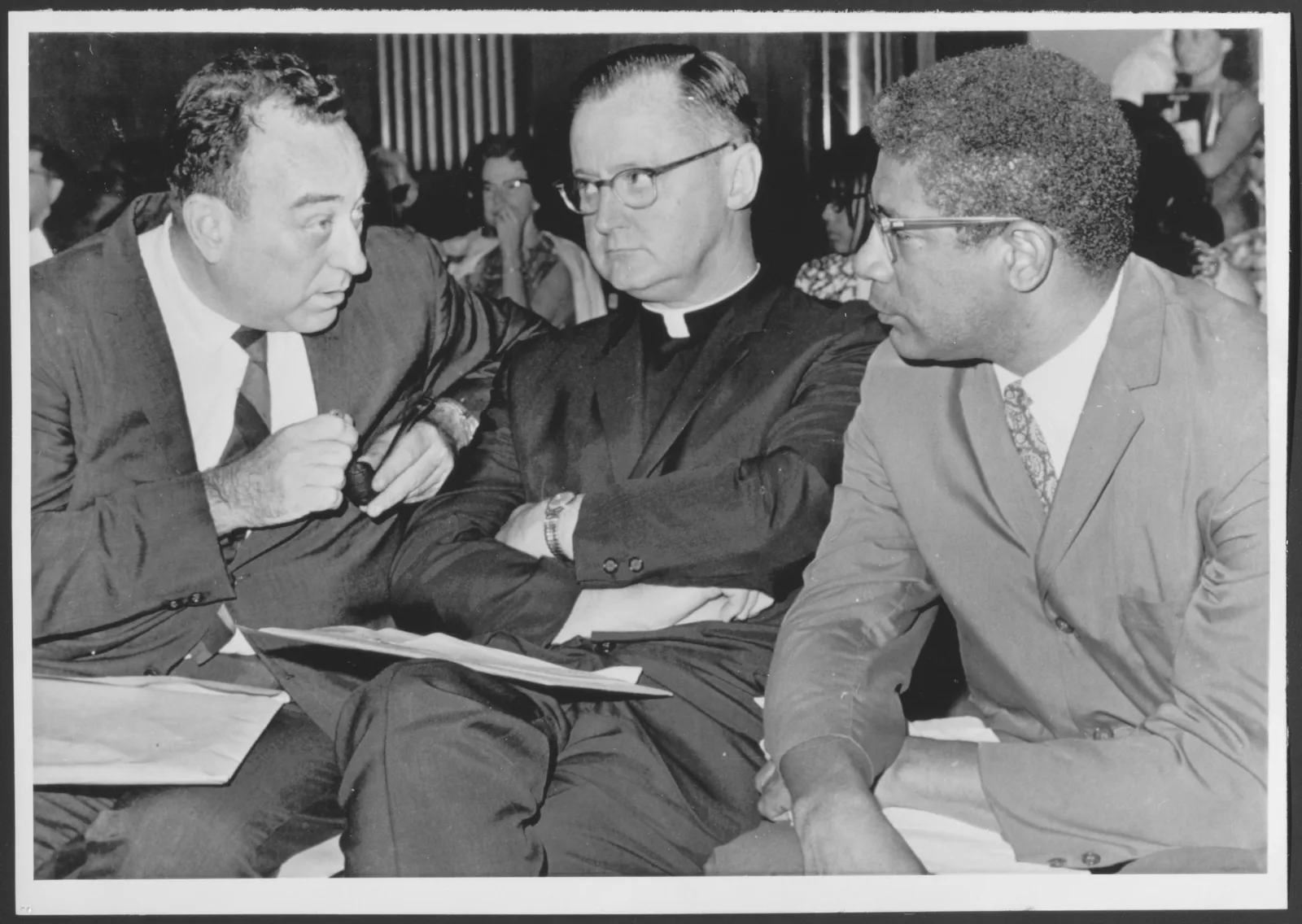
Gayraud Wilmore, another nationally notable figure, served as CORAR’s initial executive director. To his role on the Commission, Wilmore brought years of experience as an activist for school desegregation. After his time with CORAR, he became a leading scholar of African American church history, teaching social ethics and theology and coediting a sourcebook, Black Theology: A Documentary History, with prominent liberation theologian James Cone.
Regional groups supported the work of the national. Robert I. Christ of Wilmette led the Presbytery of Chicago’s Commission (“we bet Bob is up to here in ‘supreme nepotism’ jokes” quipped the Chicago Defender). His Commission’s “Housing Market” report demonstrates how attention to local patterns, like integration in Chicago suburbs, could speak to national issues—how religious organizations, especially mainline Protestant churches, might intervene in their surrounding communities.
This piece of ephemera points to decades of labor and civil rights organizing in Chicago motivated by religious commitments and carried out by clergy.
Further Reading
The First Presbyterian Church records, in Newberry Modern Manuscripts, include materials concerning the Presbytery of Chicago’s support of social justice activities held at First Church in the 1960s, including those of The Woodlawn Organization and the Blackstone Rangers. The Presbytery conducted an formal investigation of these activities after US Senate subcommittee allegations that First Church's pastor John Fry was protecting criminal actions onsite; the investigation exonerated the church.
Elsewhere in the Newberry’s collection, other religion-affiliated groups also produced materials around race and housing in the 1960s. For instance, around 1965 the American Friends Service Committee, an NGO with Quaker roots, published a pamphlet asking Black and white college students at schools in the North Shore suburbs to apply for a summer program intended to pressure businesses engaging in discriminatory real estate practices.
The Presbyterian Church (U.S.A.) digital collections contain many internal and published documents from CORAR. Biographical information about Gayraud Wilmore is available on the African American history site The HistoryMakers, which also produced an oral history interview with the minister and scholar.
Grace Holleman is a a doctoral student in American Religions at Northwestern University and a Chabraja Center Summer Intern for the Beyond Belief initiative.
Español
En 1964, el Presbiterio de Chicago, un organismo regional que apoya a las congregaciones de la Iglesia Presbiteriana Unida en la ciudad y sus alrededores, elaboró un documento sobre la integración racial y la vivienda. En colaboración con la Comisión de Religión y Raza (CORAR, por sus siglas en inglés) de la Iglesia a nivel nacional, el Presbiterio presentó un informe sobre los cambios demográficos en los barrios suburbanos. En él se refutaban las afirmaciones de que la llegada de residentes afroamericanos a zonas que antes eran exclusivamente blancas reduciría el valor de las viviendas y desintegraría las comunidades.
El informe lleva el título un tanto seco: “El mercado inmobiliario en un suburbio exclusivamente blanco tras la compra de viviendas por familias negras: la experiencia de un suburbio de Chicago, 1963-1964”. Con su tabla de estadísticas de viviendas desocupadas organizada por trimestre fiscal y sus mapas esquemáticos de lotes residenciales en los barrios suburbanos, este sencillo folleto parece más bien obra de un asistente de un político o de un estudiante de posgrado en sociología que de una organización voluntaria guiada por compromisos religiosos.
Aun así, los autores insisten en que las instituciones religiosas, las políticas públicas y la justicia racial están fundamentalmente interrelacionadas. Sostienen que la integración racial no haría sino fortalecer los barrios anteriormente habitados exclusivamente por blancos y agregan que “la estabilidad de este suburbio de Chicago, ahora integrado, se atribuye a las políticas responsables de los funcionarios públicos, al apoyo de las iglesia y las organizaciones de voluntariado, a la cooperación de los agentes inmobiliarios y a una ciudadanía receptiva”. Cuando se conjugan estos factores, afirman los autores, “no puede formularse ningún argumento válido en contra de la integración residencial basándose en los valores inmobiliarios y la evolución de los precios”. Al incluir a los grupos eclesiásticos en la lista de actores responsables de apoyar prácticas justas en materia de vivienda, el informe del Presbiterio deja clara la convicción de sus autores de que su afiliación a instituciones religiosas les obliga a buscar la justicia racial y económica.
La CORAR se había formado en 1963 durante la 175.ª Asamblea General de la Iglesia Presbiteriana Unida. El primer presidente de la Comisión, Marshal L. Scott, quien era profesor en el Seminario Teológico McCormick de Chicago, ya tenía experiencia de vincular las instituciones religiosas y las cuestiones económicas. En 1944, fundó el Instituto Presbiteriano de Relaciones Industriales (PIIR, por sus siglas en inglés), cuyo objetivo era preparar a los ministros presbiterianos en cuestiones laborales colocándolos en puestos dentro del sector industrial mientras cursaban sus estudios en el seminario.
Gayraud Wilmore, otra figura destacada a nivel nacional, fue el primer director ejecutivo de la CORAR. Wilmore aportó a su labor en la Comisión años de experiencia como activista a favor de la desegregación escolar. Después de su paso por la CORAR, se convirtió en un destacado estudioso de la historia de la iglesia afroamericana, impartió clases de ética social y teología, y coeditó un libro de referencia, Black Theology: A Documentary History (Teología negra: una historia documental), junto con el destacado teólogo de la liberación James Cone.
Los grupos regionales apoyaron el trabajo de la organización nacional. Robert I. Christ, de Wilmette, lideró la Comisión del Presbiterio de Chicago (“seguro que Bob ya está hasta aquí de chistes sobre el ‘nepotismo supremo’”, bromeó el Chicago Defender). El informe “Mercado inmobiliario” de la Comisión que presidía demuestra que tener en cuenta las dinámicas locales, como la integración en los suburbios de Chicago, podría incidir en temas nacionales: de qué manera podrían involucrarse las organizaciones religiosas, especialmente las iglesias protestantes tradicionales, en las comunidades circundantes.
Este impreso efímero remite a décadas de organización sindical y por los derechos civiles en Chicago, impulsada por convicciones religiosas y gestionada por miembros del clero.
Lecturas adicionales
Los archivos de la Primera Iglesia Presbiteriana, en los Manuscritos Modernos de la Newberry, incluyen materiales sobre el apoyo del Presbiterio de Chicago a las actividades de justicia social realizadas en la Primera Iglesia en la década de 1960, entre ellas las de The Woodlawn Organization y los Blackstone Rangers. El Presbiterio llevó a cabo una investigación formal de estas actividades tras las acusaciones de un subcomité del Senado de EE. UU. de que el pastor de la Primera Iglesia, John Fry, estaba protegiendo actos delictivos en el lugar; la investigación exoneró a la iglesia.
En otras partes de la colección de la Newberry también figuran materiales producidos durante la década de 1960 por otros grupos vinculados a instituciones religiosas en torno a cuestiones de raza y vivienda. Por ejemplo, alrededor de 1965, el Comité de Servicio de los Amigos Estadounidenses (American Friends Service Committee), una ONG con raíces cuáqueras, publicó un folleto en el que invitaba a estudiantes universitarios negros y blancos de las escuelas de los suburbios de North Shore a inscribirse en un programa de verano destinado a presionar a las empresas que practicaban discriminaciones en el sector inmobiliario.
Las colecciones digitales de la Iglesia Presbiteriana (EE. UU.) contienen muchos documentos internos y publicados de CORAR. Se puede consultar información biográfica sobre Gayraud Wilmore en The HistoryMakers, un sitio web de historia afroamericana que también realizó una entrevista de historia oral con el ministro y académico.
Grace Holleman es estudiante de doctorado en Religiones Estadounidenses en la Universidad Northwestern y pasante de verano del Centro Chabraja para la iniciativa Más allá de la fe.