
Pricing in the 18th Century Medical Market
This paper examines pricing methods in the market for medical services in the 18th Century. Three types of medical professions are addressed: physicians, apothecaries, and patent-medicine makers. Using contemporary pamphlets and novels, I try to reconstruct the methods used by each profession to determine the prices they were paid.
The paper tries to show the great variety of pricing methods used at the time. Patent medicines were sold for predetermined prices over the post; apothecaries could determine prices for each transaction with little transparency; and physicians, the main focus of the article, worked for fees whose value was determined by the patients themselves, very similar to modern tips. I then try to connect these differences to the types of information available to each profession.
About Amir Abahel
Amir Abahel is a historian of early modern economic life, especially in Britain. He received his PhD in History from Northwestern University.
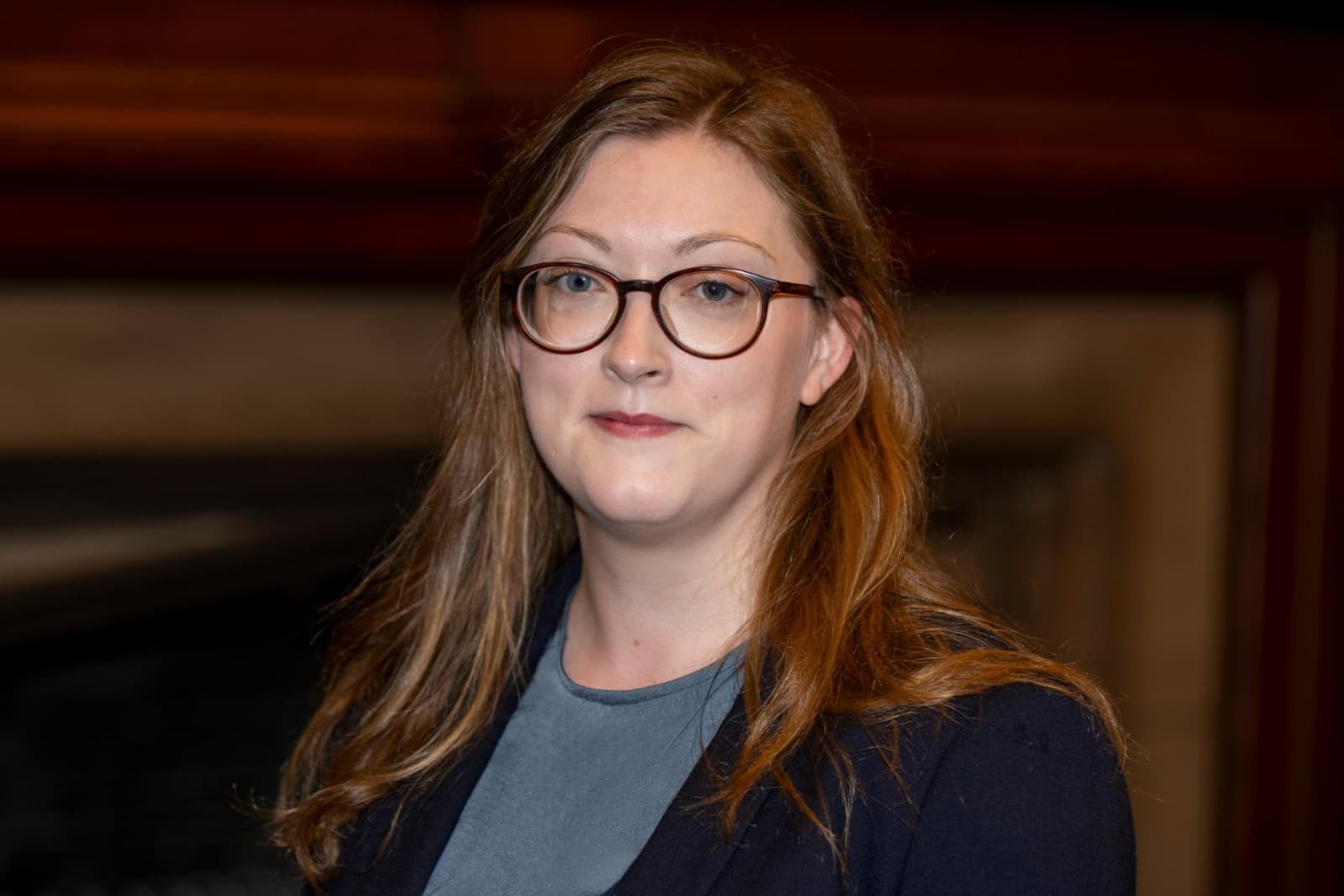
'Providing for disabled Soldiers': Disability in the Seventeenth-Century English Army
How was disability perceived and experienced in the English army during the mid-century civil wars? What was the role of the state in the development of language for speaking about disability? The growing numbers of wounded during this bellicose period strained the pre-existing system of financial support for ‘maimed soldiers’ run through older Poor Law legislation, and created a great need for additional support. Parliament instituted major innovations to build up support infrastructures for the disabled, including: a centralized pension scheme for disability which required increased use of embodied language and narrative description by its petitioners, systems of short-term or one-time funding for ‘maimed soldiers’, new and repurposed hospitals, and an encouragement of reenlistment and reemployment of disabled soldiers. By the Restoration, the language of disability used by petitioners had effectively created a new identity category for large groups of servicemen, and the institutional innovations had become both accepted and expected.
About Annastasia Conner
Annastasia Conner is a PhD Candidate in History and a Neubauer Distinguished Doctoral Fellow at the University of Chicago. Her research examines the language of disability and non-normative embodiment in seventeenth-century England, as well as the relationship between individuals and institutions involved in the construction of an early modern disability identity category. She is interested broadly in the complex connections between bodies, medicine, social networks, politics, and the economy. She has recently published an article on Venetia Digby and domestic recipe experimentation in early modern England.
Register
This event is free to all faculty, grad students, and interested members of the public, but all participants must register in advance. Space is limited, so please do not request a paper unless you plan to attend.
Register and Request PaperQuestions?
Email UsAbout the British Studies Seminar Series
The British Studies Seminar brings together scholars to discuss work that addresses the history of Britain and the British Empire from the early modern period to present day. The seminar is co-sponsored by the Graduate Cluster in British Studies at Northwestern, Northwestern History, and the Nicholson Center for British Studies at the University of Chicago. Claire C. Arnold (University of Chicago), Steven Pincus (University of Chicago), and Holly Swenson (Northwestern University) serve as co-organizers.
Learn More About Scholarly Seminars