Classroom Resources
When students learn to decode the materials of history, they build foundational skills for life. The Newberry provides K-12 educators with free teaching resources that make it easy to incorporate primary sources into classroom instruction.
Nicolas de Fer created this map of North America in 1718. The map marketed the region's natural resources to French colonists. Call number: map6F G4042 .M5 1718 .F4 (PrCt)
Digital Collections for the Classroom
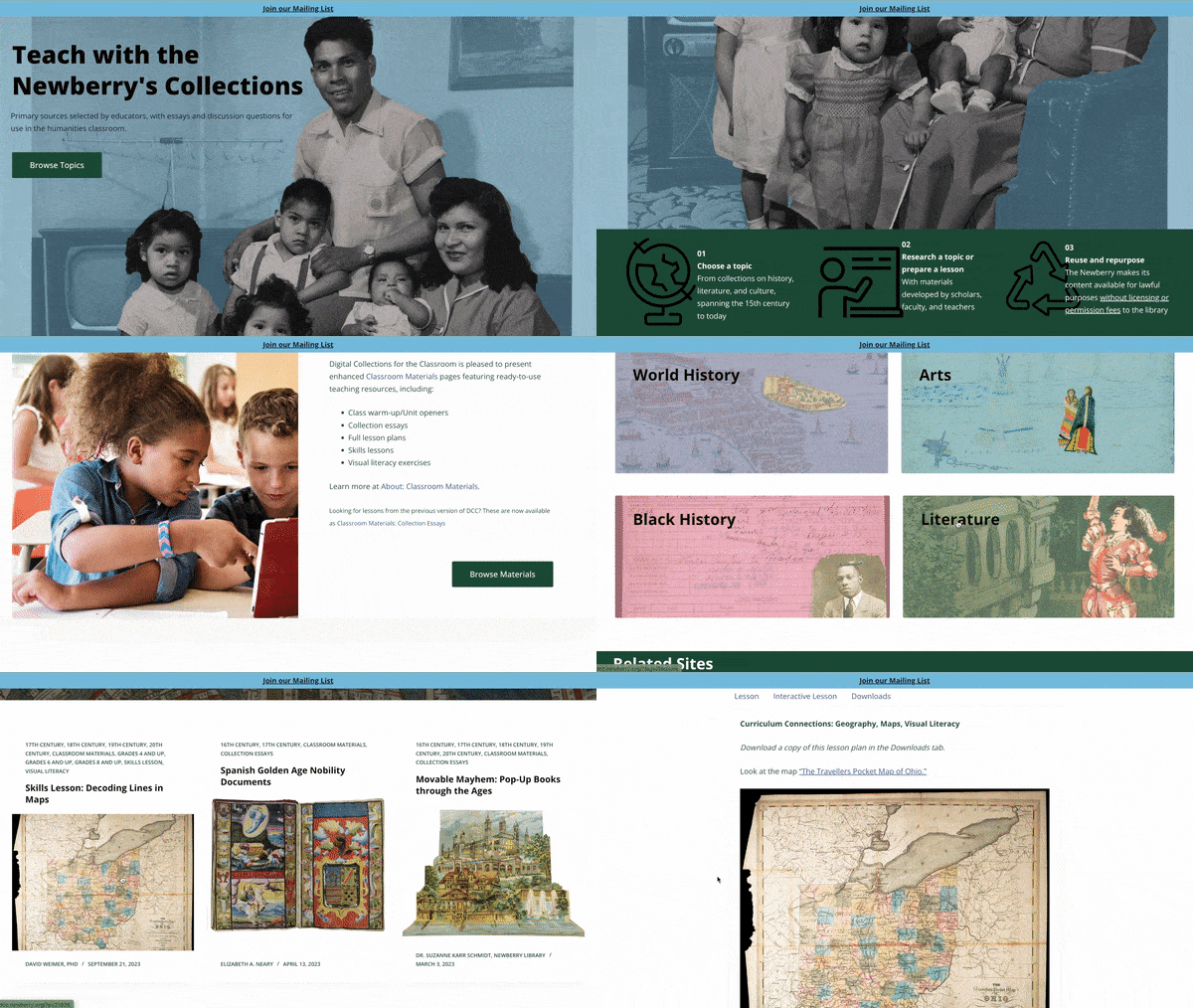
The Newberry’s Digital Collections for the Classroom provide free, high-quality resources for K-12 classroom instruction. Written by teachers and scholarly subject experts, these materials cover a range of humanities subjects, from the Philippine-American War, Shakespeare, and Chicago History to cartography, the Great Migration and Black Chicago, and Indigenous History.
In addition to enlivening the classroom experience, these teaching materials support key history and literature learning goals in critical thinking, analysis, close reading, and visual literacy.
Our ready-to-use lessons and activities bring primary sources from the Newberry’s world-class collection into elementary, middle, high school, and undergraduate classrooms. They support students in developing critical thinking and synthesizing new information with existing knowledge.
Lessons include two to four primary sources and are written for an entire class period.
Activities include one or two primary sources and are written for a partial class period.
Lessons and activities also include relevant Illinois State Board of Education standards.
Collection essays contextualize curated sets of digitized primary sources. Written by subject specialists, these essays provide accessible introductions to innovative scholarship on a range of historical, cultural, and literary topics. Each essay includes discussion questions to facilitate classroom engagement.
The Chicago Chapter, National Society of the Daughters of the American Revolution annually funds education specialists to develop a digital project focused on American Women's History and Early American History from the Newberry's collections.
We thank the DAR for their generous support of our digital education resources.
Recent projects explore how women activists transformed Gilded Age cities and participated in the Great Migration.
Collection Essay: These Are the Women Who Saved The Cities
Activity: Population Growth in Chicago
Lesson: Women of the Great Migration, Part I: Letters from the South
Lesson: Women of the Great Migration, Part II: Women Journalists
Midwest Time Machine
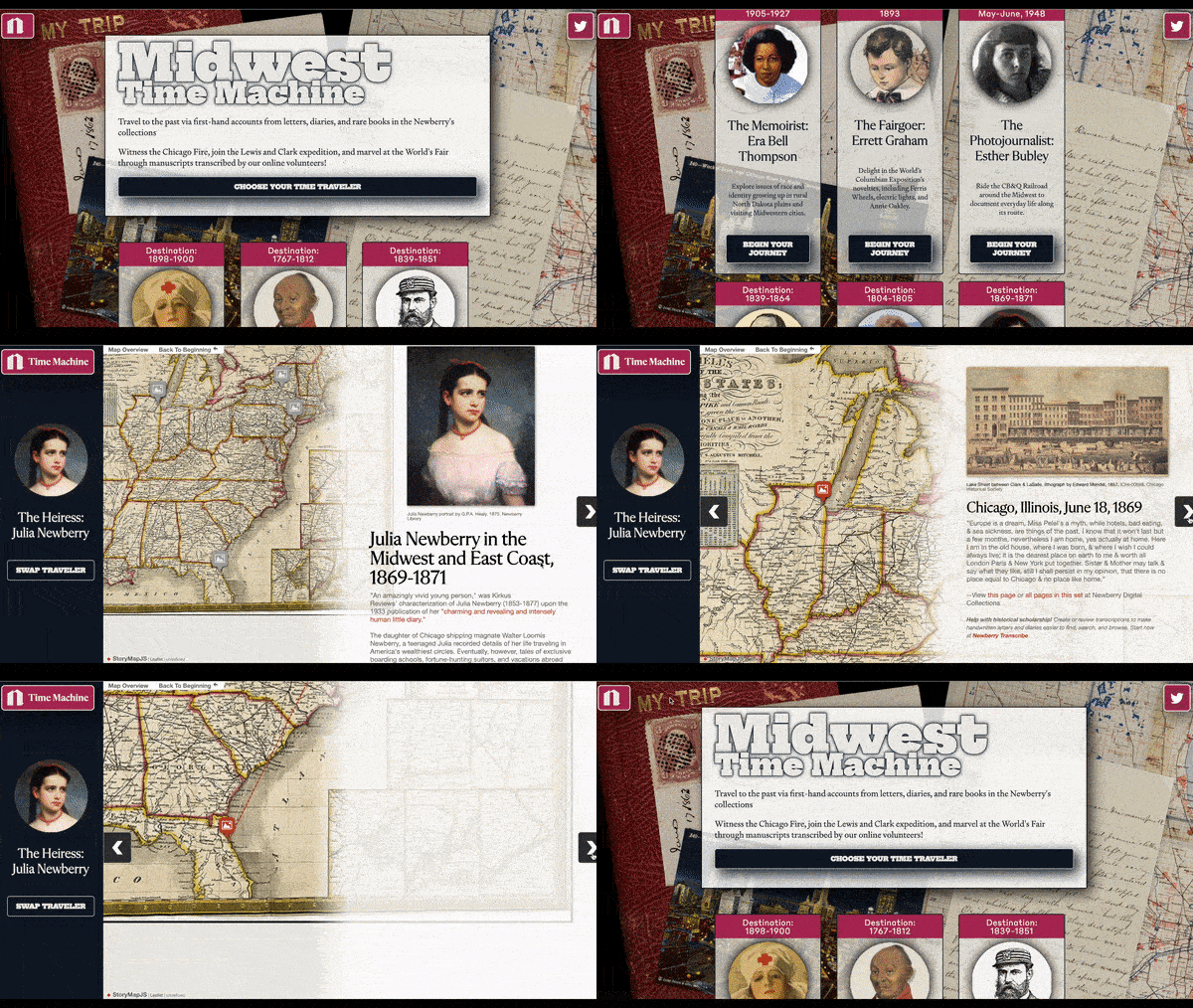
Explore photographs and first-hand accounts of the past through Midwest Time Machine. Each path focuses on a different person living through history, from an Indigenous war chief to a teenager attending the World’s Columbian Exhibition. Students can read quotes from primary sources like diaries, letters, and rare books, providing a variety of unique perspectives on centuries of Midwest history.
Postcard Tag
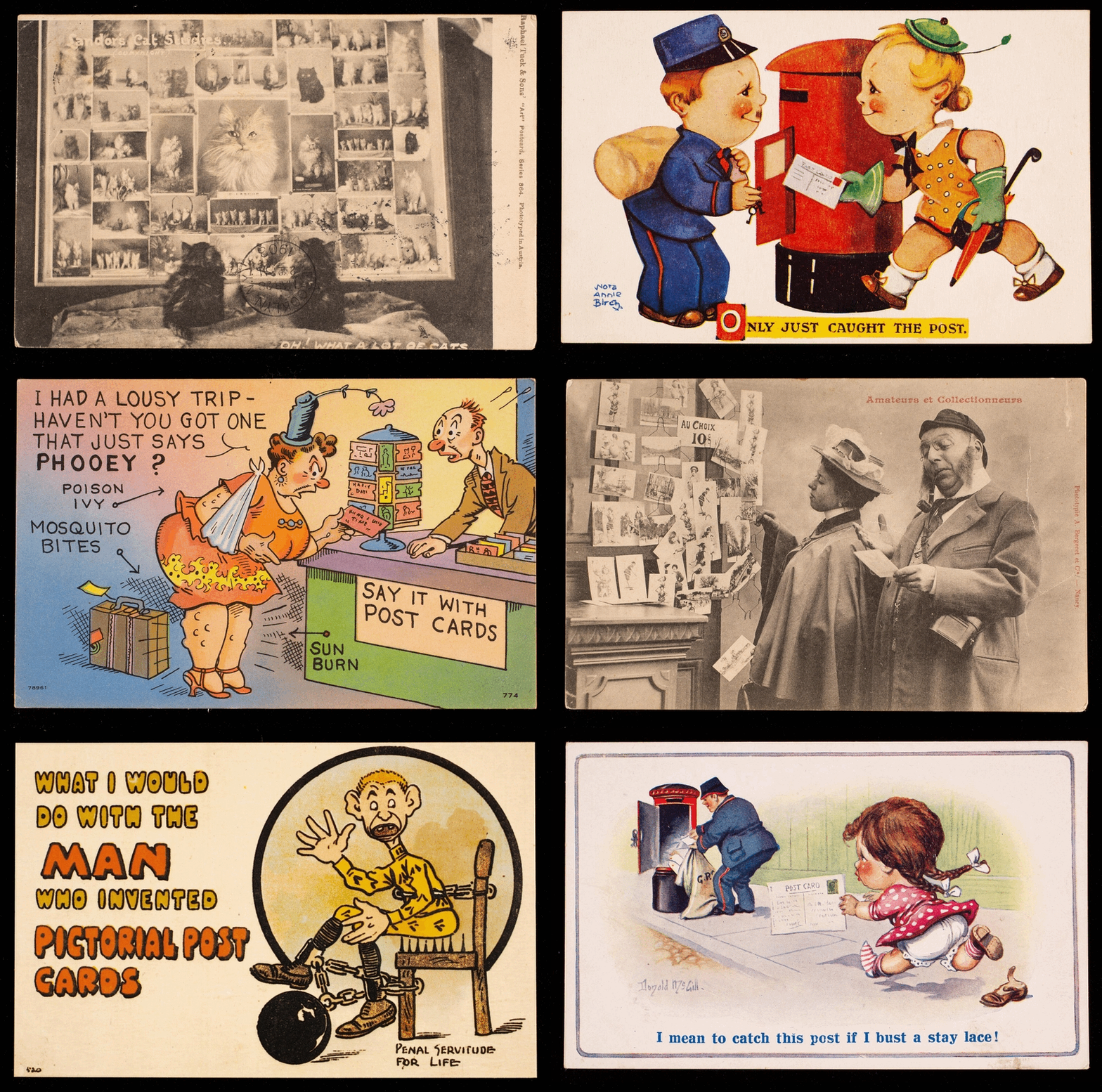
Contribute to future scholarship by tagging and transcribing early 20th century postcards. Volunteers on Postcard Tag provide metadata that helps make the Newberry’s postcard collection, one of the largest in the world, searchable and accessible. The project has multiple workflows to work on and a variety of educational resources related to postcards. Students can transcribe postcard messages from the 1910s, learn about 20th century visual culture, and aid researchers through their work.
Seeing Race Before Race: A Closer Look
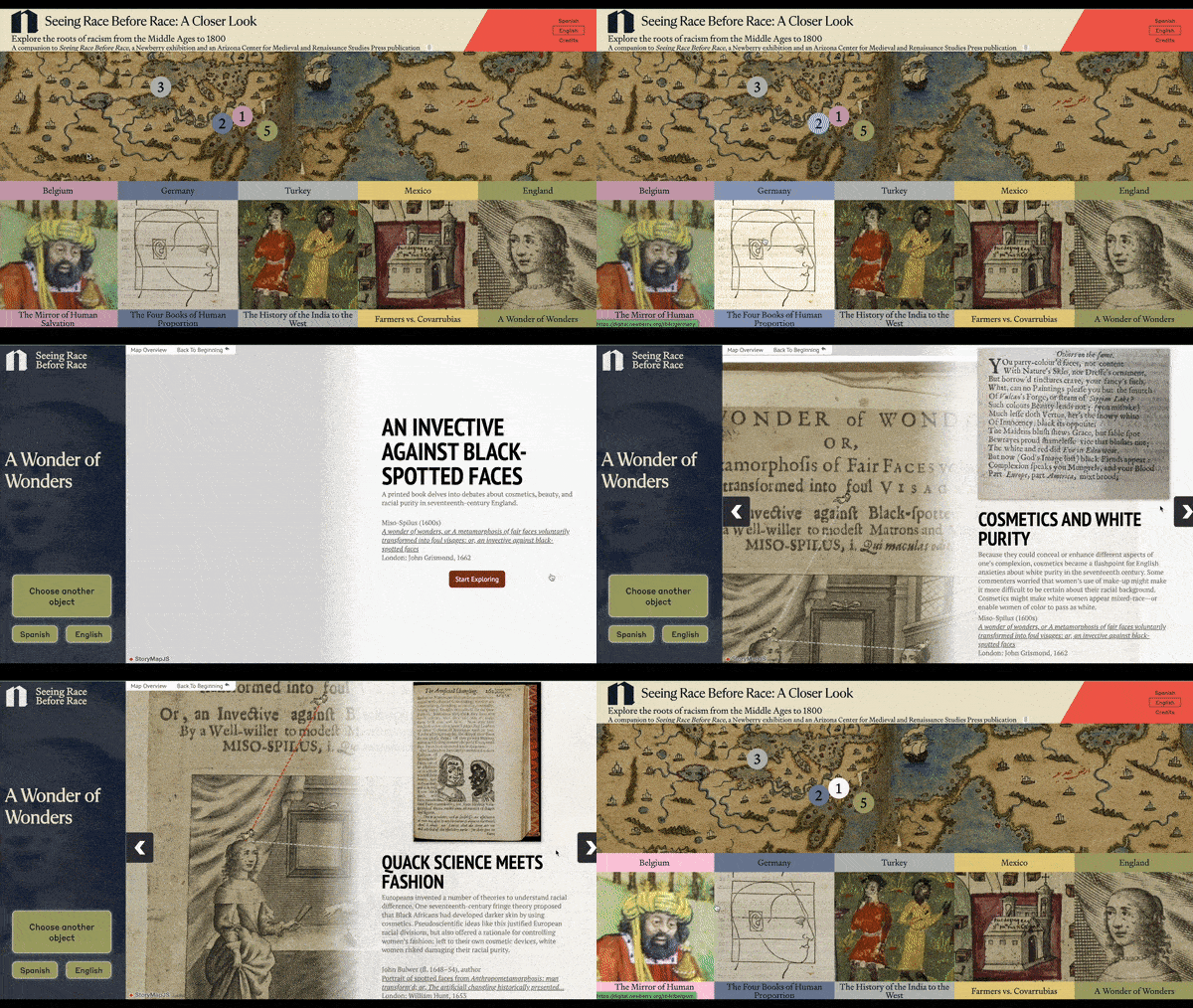
Explore how manuscripts, printed books, visual art, and maps show race-making at work around the world before 1800. This resource offers a deep dive into five objects, demonstrating the ways in which their content, physical features, and historical context are evidence for the presence of race in medieval and early modern thought and culture. Ideal for the classroom, these short investigations can help students of various levels understand how to access stories and experiences from the distant past —including those of communities of color—that are hidden under the surface of its surviving material sources.
More for Teachers and Students
Professional Development
Led by Chicago-area scholars and Newberry subject specialists, professional development seminars allow teachers to learn at one of the world’s premier research libraries.
Student Experiences
Opportunities for high school teachers and students to engage with real historical documents right in their own classroom.
Have a Question?
We're Here to Help
Contact us with any questions about how you can use Newberry collections and resources in your classroom.
Group and Class Visits
Book a time for your group or class to visit the Newberry for an interactive learning experience with our collection and staff.
Learn MoreOld School Classroom Technology
In the early modern era, students learned to read using hornbooks. Hornbooks were wooden boards or paddles covered with a protective screen made from animal horns.
On Our Blog