Scroll down for Spanish / Desplázate hacia abajo para español
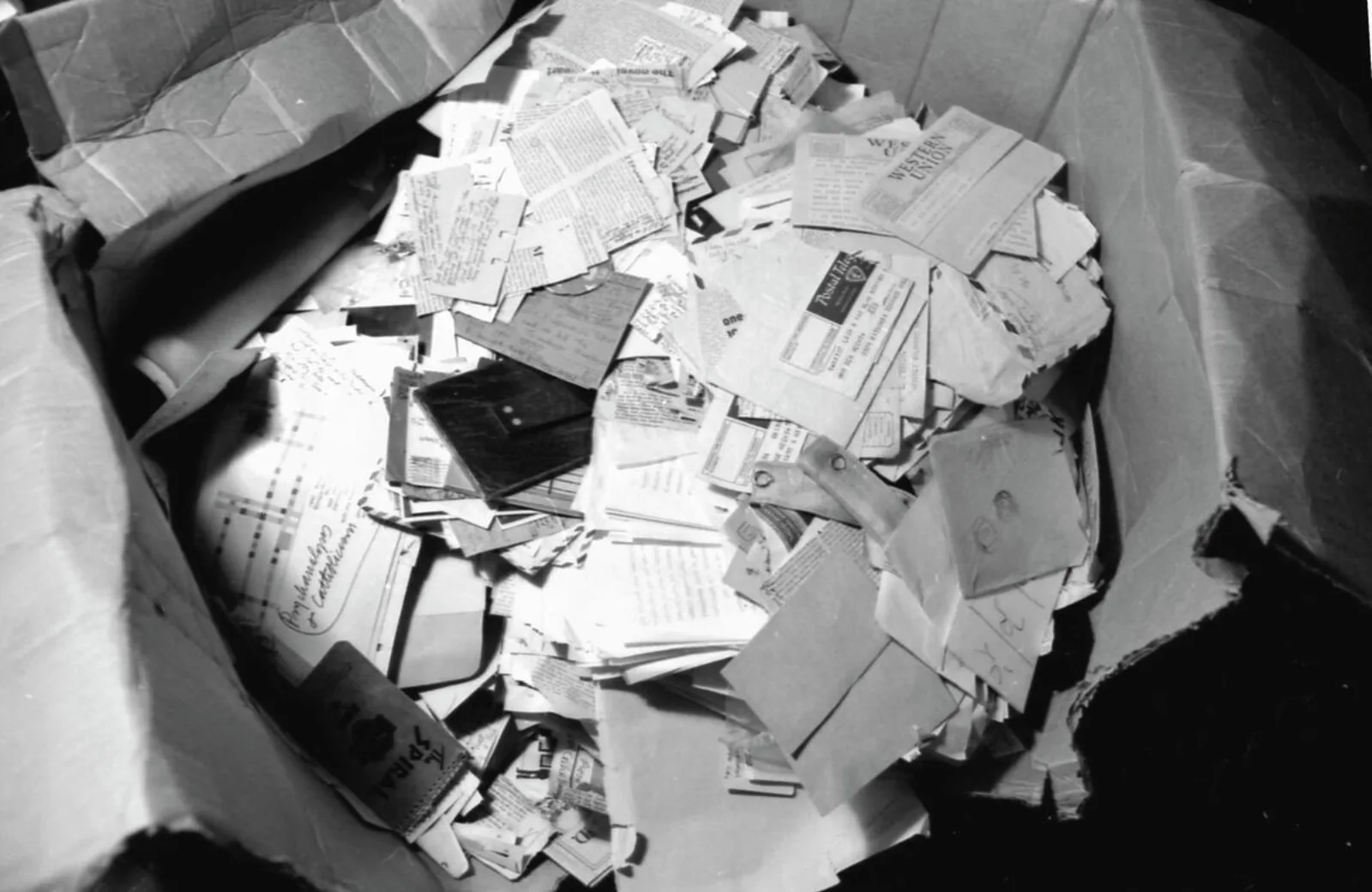
Open a closet in almost any congregation or community organization, and you'll probably find them: boxes of old newsletters, meeting minutes, photographs, event flyers, scrapbooks, membership lists, or perhaps a dusty filing cabinet that no one has opened in years.
It's easy to see these materials as clutter. But together, they tell the story of a community—its values, its relationships, its milestones, and the people who shaped it. Those stories matter.
As part of the larger Beyond Belief initiative, the Newberry Library is launching a series of free Community Archival Training Workshops to help religious congregations, activist organizations, and community groups preserve the records that document their histories.
Many organizations don't think of themselves as having an archive. Yet archives are everywhere. They include photographs from neighborhood events, church bulletins, synagogue newsletters, mosque programs, protest signs, oral histories, meeting minutes, digital newsletters, websites, social media posts, and countless other records that capture the life of a community.
These collections are more than historical curiosities. They help communities remember where they have been, celebrate what they have accomplished, and pass their stories on to future generations. They can also document organizational milestones, strengthen community identity, support anniversaries and exhibitions, and provide valuable resources for community and family members, researchers, and students seeking to understand the past.
But preserving these materials can feel overwhelming. What should you keep? What can you safely discard? How do you organize decades of records? What about fragile photographs, aging paper, or digital files stored on old computers or in the cloud? Our workshops are designed to answer exactly these questions.
The series is offered in two parts. Part 1, to be held each fall through 2029, explores the bigger picture of community archives: why they matter, what belongs in them, how to involve community members in documenting your history, and how to make thoughtful decisions about preservation, privacy, and access. Part 2, to be held in the spring, turns to the practical work of stewardship, covering safe handling techniques, affordable preservation strategies, archival storage, digitization, and the growing challenge of caring for born-digital materials such as websites, email newsletters, and social media.
Along the way, participants will see examples from the Newberry's collections that illustrate how today's everyday records become tomorrow's historical evidence.
The Community Archival Training Workshops reflect one of the central goals of Beyond Belief: helping preserve the histories of Chicago's religious communities and movements for social change. Many of the stories that shaped the city were never documented in newspapers or official government records. They survive instead in congregational offices, community centers, neighborhood organizations, and the personal collections of people who participated in these movements.
By helping organizations care for their own records, we hope to ensure that these histories remain accessible—not only for scholars, but for the communities themselves. Because every box on a shelf has the potential to tell a story. The question is whether we'll preserve those stories before it's too late.
Learn More
Workshops are open to representatives or volunteers working with organizations engaged in religious activities, social change activism, or community/historical functions, who have records in need of being organized and secured. Participants may sign up for only Part 1 or Part 2, or for both workshops. Find listings for upcoming workshops here.
In addition to workshops held at the Newberry, a limited number of customized on-site trainings are available for organizations interested in developing archival practices tailored to their own collections and communities. Write to belief@newberry.org to inquire about arranging such a workshop.
Español
Abre un armario en casi cualquier parroquia u organización comunitaria y probablemente encontrarás: cajas de boletines antiguos, actas de reuniones, fotos, volantes de eventos, álbumes de recortes, listas de miembros o tal vez un archivador cubierto de polvo que nadie ha abierto en años.
Es fácil pensar que estos materiales solo generan desorden. Pero juntos, cuentan la historia de una comunidad: sus valores, sus relaciones, sus hitos y las personas que la conformaron. Esas historias importan.
Como parte de la iniciativa más amplia Más allá de la fe, la Biblioteca Newberry está lanzando una serie de talleres gratuitos de capacitación en archivo comunitario para asistir a congregaciones religiosas, organizaciones activistas y grupos comunitarios a preservar los registros que documentan sus historias.
Muchas organizaciones no se dan cuenta de que lo que conservan es ya un archivo. Aún así, los archivos abundan; incluyen fotos de eventos del vecindario, boletines de iglesias, boletines de sinagogas, programas de mezquitas, pancartas de protesta, historias orales, actas de reuniones, boletines digitales, sitios web, publicaciones en redes sociales y un sinfín de otros registros que capturan la vida de una comunidad.
Estas colecciones son más que simples curiosidades históricas. Sustentan la memoria colectiva de una comunidad, preservando su trayectoria, sus logros y sus historias para las generaciones futuras. Asimismo, sirven para documentar hitos importantes en la historia de las organizaciones, fortalecer la identidad comunitaria, apoyar la celebración de aniversarios y la realización de exposiciones, y ofrecer recursos valiosos para los miembros de la comunidad y de las familias, los investigadores y los estudiantes que buscan conocer y comprender el pasado.
Sin embargo, conservar estos materiales puede parecer abrumador. ¿Qué debe guardarse? ¿Qué puede desecharse sin problema? ¿Cómo organizar décadas de registros? ¿Y qué pasa con las fotos frágiles, el papel envejecido o los archivos digitales conservados en computadoras viejas o en la nube? Nuestros talleres están diseñados para responder precisamente a estas preguntas.
La serie se ofrece en dos partes. La Parte 1, que se llevará a cabo cada otoño hasta el 2029, explora el panorama general de los archivos comunitarios: por qué son importantes, qué debe incluirse en ellos, cómo involucrar a los miembros de la comunidad en la documentación de la historia de la organización y cómo tomar decisiones bien pensadas sobre la conservación, la privacidad y el acceso. La parte 2, que se llevará a cabo en primavera, se centra en el trabajo práctico de administración y abarca técnicas de manejo seguro, estrategias de conservación asequibles, almacenamiento de archivos, digitalización y el creciente desafío de cuidar materiales de origen digital, como sitios web, boletines por correo electrónico y redes sociales.
A lo largo del curso, los participantes verán ejemplos de las colecciones de la Newberry que demuestran cómo los registros cotidianos de hoy se convierten en la evidencia histórica del mañana.
Los Talleres de Capacitación en Archivo Comunitario reflejan uno de los objetivos centrales de Más allá de la fe: ayudar a preservar las historias de las comunidades religiosas de Chicago y de los movimientos por el cambio social . Muchas de las historias que dieron forma a la ciudad nunca se documentaron en periódicos ni en registros oficiales del gobierno. No obstante, sobreviven en las oficinas de las congregaciones, los centros comunitarios, las organizaciones vecinales y las colecciones personales de quienes participaron en estos movimientos.
Al ayudar a las organizaciones a cuidar sus propios registros, esperamos asegurarnos de que estas historias sigan siendo accesibles, no solo para los académicos, sino también para las propias comunidades. Cada caja en un estante tiene el potencial de contar una historia. La cuestión es si lograremos preservar esas historias antes de que sea demasiado tarde.
Más información
Los talleres están abiertos a representantes o voluntarios que trabajen con organizaciones dedicadas a actividades religiosas, activismo por el cambio social o funciones comunitarias e históricas, y que tengan documentos que necesiten ser organizados y protegidos. Inscríbete solo en la Parte 1 o en la Parte 2, o en ambos talleres. Consulta aquí la lista de los próximos talleres.
Además de los talleres que se realizan en la Newberry, hay un número limitado de capacitaciones personalizadas en tus propias instalaciones para organizaciones interesadas en desarrollar prácticas de archivo adaptadas a sus propias colecciones y comunidades. Escríbenos a belief@newberry.org para indagar cómo organizar un taller de este tipo.