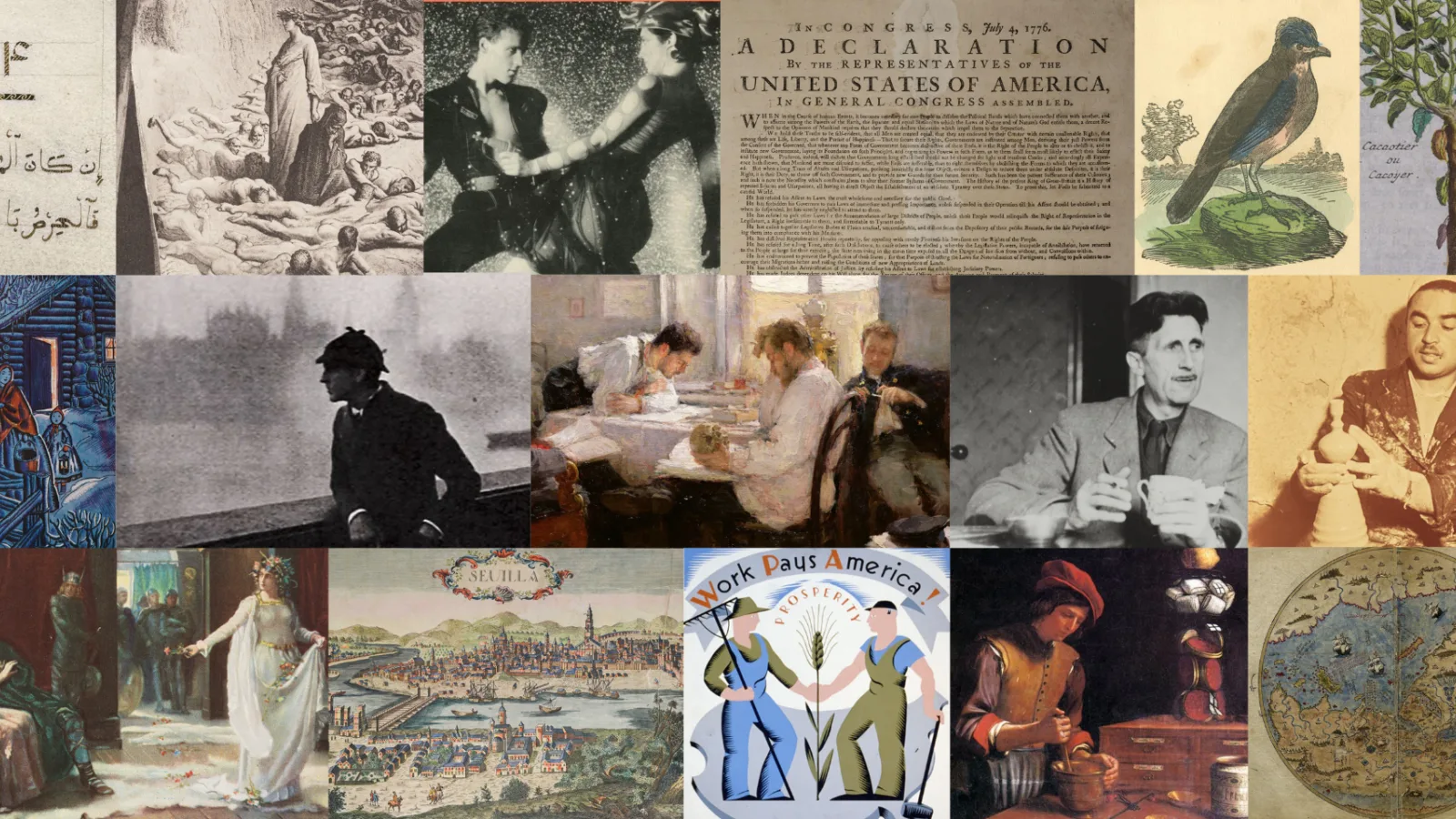
The Chicago Calligraphy Collective was founded in 1976 to promote the study, practice, and appreciation of calligraphy in all its historical and present-day applications. This annual juried exhibit of members’ work includes handmade artists’ books and broadsides as well as three-dimensional works executed in various media and styles, from classical to contemporary.
Core Collections
Religion
The Newberry collection for religion focuses on sources from Europe and the Americas, from the late Middle Ages through the early 20th century.
Music
The Newberry collects on western European music to the early 20th century, American music to the mid-20th, and on musical life in Chicago.
American History and Culture
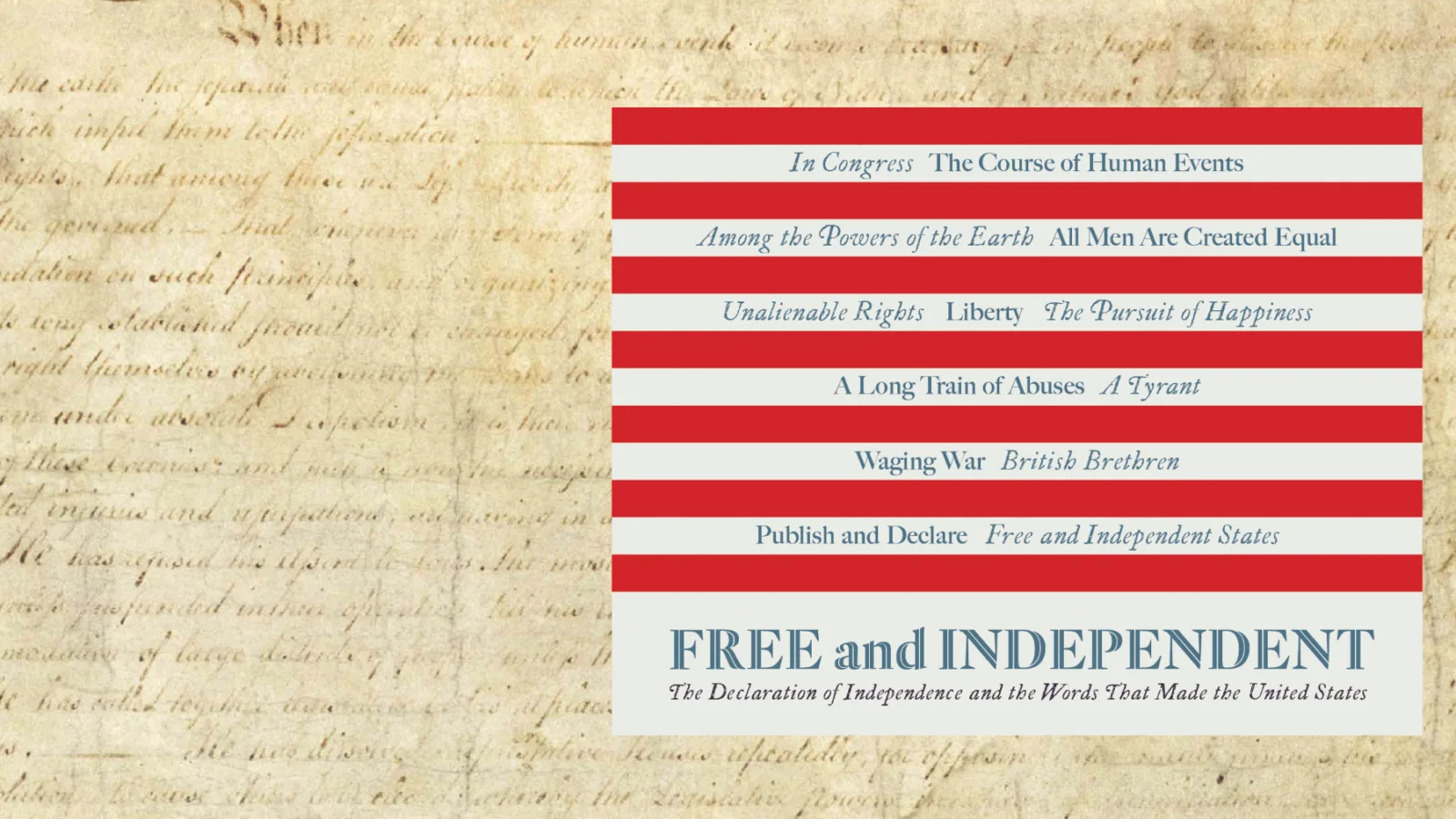
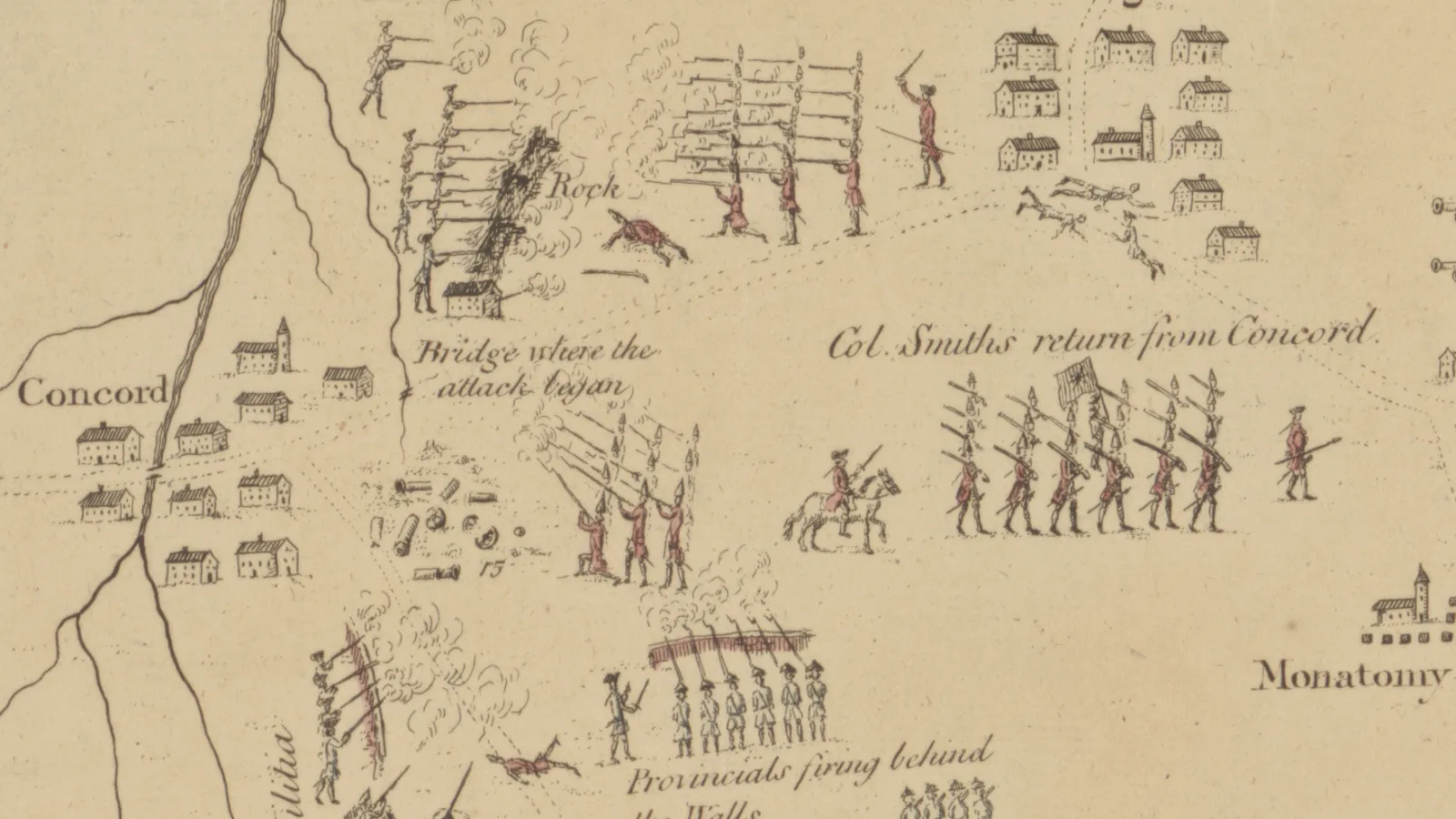
The Newberry has deep collections reflecting the breadth of American history and culture through World War One.
Manuscripts and Archives
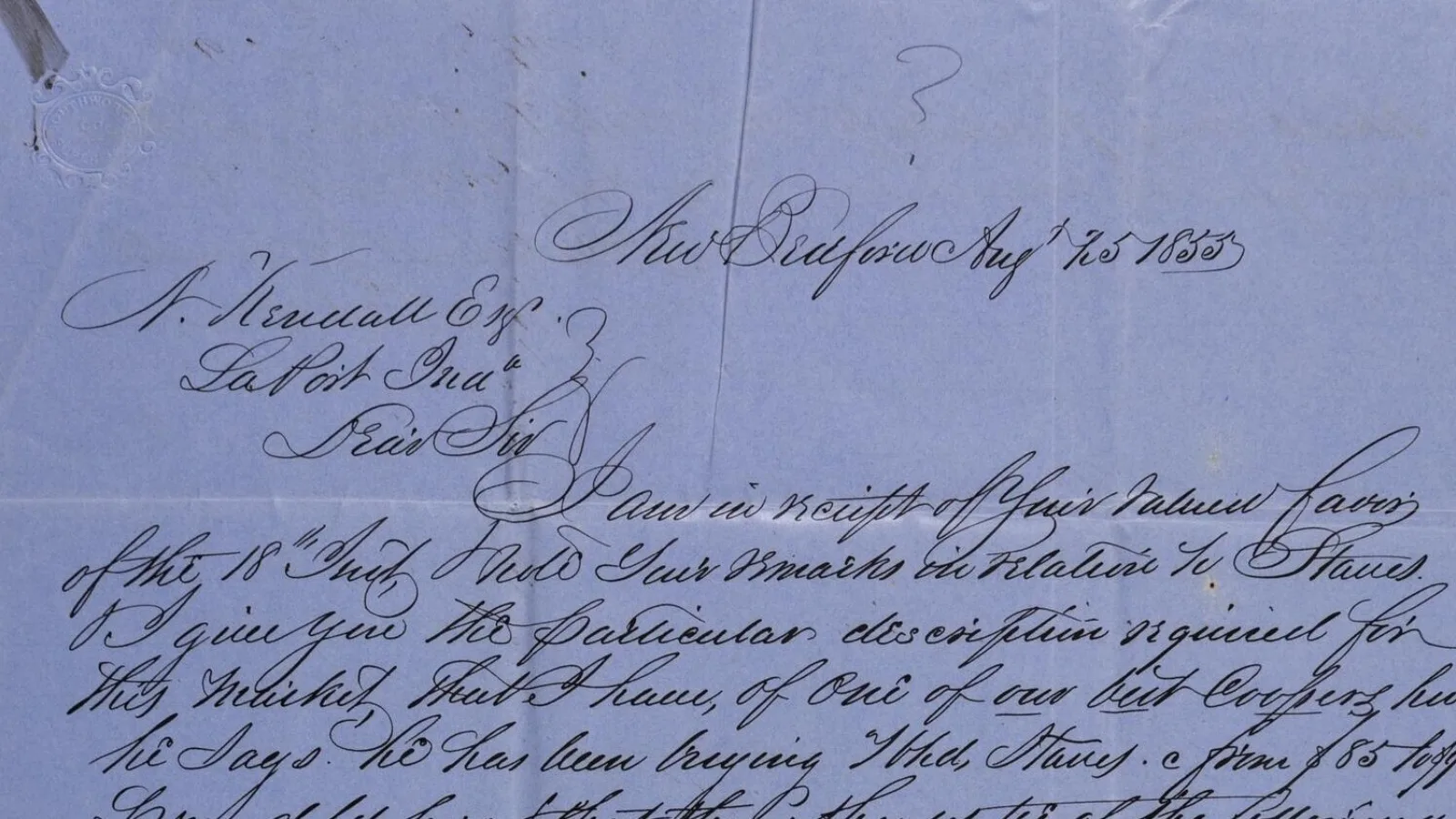
The Newberry has a rich collection of manuscripts ranging from medieval Books of Hours to twentieth-century scrapbooks and letters.
From the Stacks
May Day
This bilingual broadside, written by labor activist Adolph Fischer, calls on “workingmen” to attend a rally in Chicago’s Haymarket Square. In the demonstration’s aftermath, eight anarchists (including Fischer) were unfairly accused of slaying police officers. An openly biased judge sentenced seven of these defendants—known as the Haymarket martyrs—to death; the eighth was sentenced to 15 years in prison. In 1887, four were executed, after one committed suicide.
Earth Day the Newberry Way
Perhaps no single work has exerted a greater influence on the development of cartography in the modern world than the Geographia of the ancient astronomer, mathematician, and geographer Claudius Ptolemy (c. 90–168). Ptolemy lived in Alexandria during a time when the Egyptian port was the cultural, commercial, and scientific center of the eastern Mediterranean. He had access to centuries of Greek scientific and mathematical learning as well as to geographical information world travelers brought to the great port.